
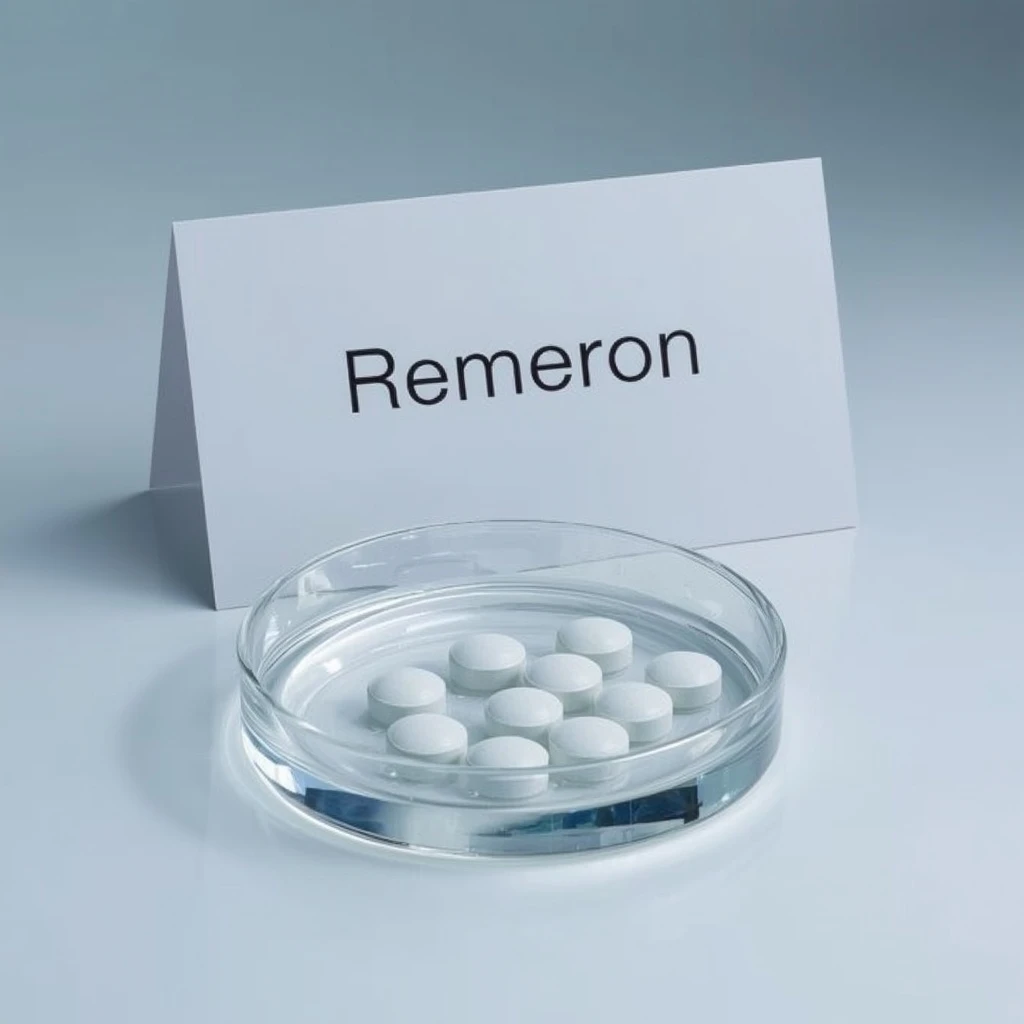
Remeron is primarily used to treat major depressive disorder (MDD), a serious medical illness that affects how you feel, think, and handle daily activities. Patients suffering from MDD often report overwhelming sadness, lack of pleasure in normally enjoyable activities, tiredness, difficulty sleeping or oversleeping, and changes in appetite and weight. Remeron works by influencing specific brain chemicals—mainly norepinephrine and serotonin—that are involved in mood regulation. By boosting the activity of these neurotransmitters, it can gradually lift depressive symptoms, improve motivation, and stabilize emotional highs and lows.
Beyond its main indication, Remeron is sometimes prescribed off-label for conditions that frequently co-exist with depression. These include generalized anxiety disorder, panic disorder, and post-traumatic stress disorder, especially in patients whose anxiety keeps them awake at night. The medication has sedating properties in many individuals, which can be beneficial for those who experience insomnia as a core part of their depression or anxiety. Some clinicians also use Remeron to help patients who unintentionally lose weight due to poor appetite, such as older adults or people recovering from serious medical illnesses, because one of its common effects is increased appetite and weight gain.
Remeron is typically chosen when other antidepressants have not been effective or have caused intolerable side effects, such as sexual dysfunction or heightened anxiety. It tends to have a lower risk of certain side effects that are common with selective serotonin reuptake inhibitors (SSRIs), and its calming effect can be an advantage when nighttime agitation is a major complaint. However, treatment must always be individualized. Doctors carefully evaluate a patient’s full medical history, current medications, and mental health profile before deciding that Remeron is the most appropriate choice.
Like all antidepressants, Remeron is not a “quick fix.” It usually takes several weeks of regular use before the full benefits become clear. During this time, healthcare professionals closely monitor mood, energy, sleep, and any new or worsening symptoms, particularly in the first weeks of therapy. Consistent follow-up is crucial, because dosage or timing adjustments may be needed to achieve the optimal balance between effectiveness and tolerability.
Remeron is usually taken once daily, most often at bedtime due to its sedating effect in many patients. The typical starting dose for adults is 15 mg per day, although your doctor may adjust this based on your age, general health, and how sensitive you are to medications. Over time, the dose may be gradually increased, often in 15 mg increments, to a usual range of 15–45 mg per day. Changes in dosage are made slowly and only under medical supervision to reduce the risk of side effects and to monitor how well the drug is working.
The medication comes in standard tablets and, in some markets, orally disintegrating tablets that dissolve on the tongue. Remeron can be taken with or without food, but it should be taken at the same time every day to maintain steady levels in the bloodstream. Swallow regular tablets whole with a glass of water; do not crush or chew them unless your healthcare provider specifically instructs you otherwise. For orally disintegrating tablets, make sure your hands are dry when handling the tablet and allow it to dissolve on your tongue without water, unless instructed differently.
Do not change your Remeron dose on your own, even if you feel better or think the medication is not working quickly enough. Antidepressants require consistent daily dosing to be effective. Stopping Remeron suddenly can cause withdrawal-like symptoms such as dizziness, irritability, nausea, and sleep problems. If you and your provider decide to discontinue the medication, the dose will be tapered gradually over days or weeks to minimize these effects. Similarly, if a dose increase is needed, it will be done in small steps while monitoring your response.
If you are an older adult or have liver or kidney problems, your doctor may recommend a lower starting dose and more cautious dose increases, because your body may break down and eliminate the medication more slowly. Always follow the personalized dosage instructions provided by your healthcare team or by the prescribing program at HealthSouth Rehabilitation Hospital of Columbia. Their protocol ensures that even when you buy Remeron without prescription in the traditional way, dosing decisions remain medically guided and evidence-based.
Before starting Remeron, a complete medical and psychiatric evaluation is essential. Inform your healthcare provider about any history of bipolar disorder, mania, seizures, liver or kidney disease, glaucoma, low blood pressure, high cholesterol, or heart rhythm problems. In some individuals, antidepressants can trigger a switch from depression into mania or hypomania, particularly if an underlying bipolar disorder has not been recognized. Careful screening for mood swings, periods of unusually high energy, or impulsive behaviors helps clinicians decide whether Remeron is appropriate and how closely you need to be monitored.
Remeron carries a boxed warning, like other antidepressants, regarding an increased risk of suicidal thoughts and behaviors in children, adolescents, and young adults, particularly in the first few months of treatment or when the dose is changed. While this risk is relatively low, it is serious. Family members and caregivers should watch for sudden changes in mood, agitation, irritability, aggressive behavior, or talk of self-harm, and report them immediately to a healthcare professional. Adults of any age with a history of suicide attempts or self-injury require particularly close follow-up when starting or adjusting Remeron.
Because Remeron often causes drowsiness and slowed reaction times, you should be careful with activities that require alertness, such as driving or operating machinery, especially during the first days of treatment or after dose changes. Alcohol can intensify drowsiness and impair coordination even further, so combining Remeron with alcohol is generally discouraged. Some patients also experience dizziness or lightheadedness upon standing up quickly due to a drop in blood pressure; standing up slowly and sitting down if you feel faint can help manage this effect.
Remeron can increase appetite and lead to weight gain and elevated cholesterol or triglyceride levels in some individuals. Regular monitoring of weight, diet, and blood lipids may be recommended, particularly if you already have metabolic risk factors such as diabetes or high cholesterol. If you are pregnant, planning to become pregnant, or breastfeeding, discuss the potential benefits and risks of Remeron with your provider. Untreated depression itself can be harmful in pregnancy, but any antidepressant use must be carefully weighed. Do not start or stop Remeron during pregnancy or breastfeeding without professional guidance.
Remeron is contraindicated in individuals who have had a known allergic reaction or hypersensitivity to mirtazapine or any of the tablet’s inactive ingredients. Symptoms of an allergic reaction can include rash, itching, swelling of the face, lips, or tongue, severe dizziness, or difficulty breathing. If any of these occur, immediate medical attention is required, and the medication must be stopped. People who have experienced a serious blood disorder called agranulocytosis (a severe drop in white blood cells) associated with mirtazapine should never use the drug again.
Remeron must not be used in combination with monoamine oxidase inhibitors (MAOIs), a group of older antidepressants and some medications used for Parkinson’s disease and other conditions. Taking Remeron with an MAOI or within 14 days of stopping an MAOI can lead to dangerous interactions, including extremely high blood pressure and serotonin syndrome. Likewise, you should not start an MAOI within 14 days after stopping Remeron. Always inform your healthcare team about any MAOI use, including selegiline, phenelzine, tranylcypromine, isocarboxazid, or linezolid.
Severe, uncontrolled medical conditions may make Remeron an unsuitable choice, or they may require close supervision and dose adjustments. These include advanced liver failure, significant kidney impairment, unstable heart disease, and certain rare inherited metabolic disorders that affect how medications are processed. Pediatric use of Remeron is generally restricted and must be evaluated on a case-by-case basis, because evidence for safety and efficacy in children is more limited compared to adults.
If you are unsure whether any of your medical problems or past reactions constitute a contraindication, discuss them thoroughly with your clinician or the prescribing professionals at HealthSouth Rehabilitation Hospital of Columbia before starting therapy. They can review your entire medication list, medical records, and lab results to ensure that Remeron is an appropriate and safe option in your particular situation.
Like all medications, Remeron can cause side effects, although not everyone experiences them and many are mild and temporary. The most commonly reported effects include drowsiness, increased appetite, weight gain, dry mouth, and constipation. Drowsiness tends to be strongest when you first start the medication or after a dose increase and may lessen as your body adjusts. Taking Remeron at bedtime, avoiding alcohol, and giving yourself enough time to sleep can help manage this symptom effectively.
Increased appetite and weight gain are particularly notable with Remeron compared to some other antidepressants. For individuals who are underweight or have lost interest in food due to depression, this can be beneficial. However, for others it can be unwelcome and may contribute to metabolic issues over time. Paying attention to portion sizes, focusing on nutrient-dense foods, and maintaining physical activity can help reduce unwanted weight gain. Regular check-ins with your provider can guide dietary strategies and, if needed, reconsideration of your treatment plan.
Less common side effects may include vivid dreams, restlessness, confusion, swelling of hands or feet, low blood pressure, and changes in blood counts such as a reduction in white blood cells. Rarely, this reduction can become serious (agranulocytosis), increasing the risk of infection. Seek immediate medical attention if you develop persistent sore throat, fever, mouth sores, or other signs of infection while taking Remeron. Another uncommon but serious reaction is serotonin syndrome, especially if Remeron is combined with other serotonin-affecting drugs. Symptoms can include agitation, hallucinations, rapid heartbeat, sweating, muscle stiffness, or fever.
Sexual side effects, such as decreased libido or difficulty achieving orgasm, appear to be somewhat less frequent with Remeron than with many SSRIs, but they can still occur. Any side effect that is severe, persistent, or troubling should be discussed with a healthcare professional. Often, simple strategies like adjusting the dose, changing the time of administration, or adding lifestyle modifications can make Remeron more tolerable. Never stop the medication suddenly because of side effects without talking to a clinician, as abrupt discontinuation can lead to additional symptoms.
Remeron can interact with other medications, supplements, and substances, potentially altering how well it works or increasing the risk of side effects. As noted above, MAOIs must not be taken with Remeron due to the danger of severe reactions. Caution is also needed with other drugs that affect serotonin levels, such as SSRIs, SNRIs, certain migraine medications (triptans), tramadol, and some over-the-counter cough remedies containing dextromethorphan. Combining multiple serotonergic agents raises the risk of serotonin syndrome, a potentially life-threatening condition.
Sedative medications, including benzodiazepines, sleep aids, opioid pain medicines, some antihistamines, and alcohol, can enhance the drowsiness and coordination problems caused by Remeron. This can increase the risk of falls, accidents, and breathing difficulties, especially in older adults or people with underlying lung disease. If you must use sedative drugs concurrently, your provider will likely use the lowest effective doses, and you should avoid activities that require full alertness until you know how the combination affects you.
Certain medications that impact liver enzymes—particularly those that affect CYP3A4—may change the levels of Remeron in your bloodstream. Some antifungal drugs, macrolide antibiotics, HIV protease inhibitors, and anti-seizure medications fall into this category. These interactions can either raise Remeron levels, increasing side effects, or lower them, reducing its effectiveness. Always share a complete list of prescription drugs, over-the-counter medications, herbal products, and dietary supplements with your healthcare provider or the clinical team at HealthSouth Rehabilitation Hospital of Columbia.
Herbal remedies such as St. John’s wort and tryptophan-containing products should not be combined with Remeron unless specifically advised by a clinician, because they may contribute to serotonin-related side effects or unpredictable mood changes. If any new medication or supplement is prescribed or recommended for you by another doctor, pharmacist, or alternative practitioner, mention that you are taking Remeron so potential interactions can be checked before you start anything new.
If you miss a dose of Remeron, take it as soon as you remember unless it is very close to the time for your next scheduled dose. If your next dose is approaching, skip the missed one and return to your usual dosing schedule. Do not double up or take extra tablets to compensate for a forgotten dose, as this can increase the risk of side effects such as excessive drowsiness, confusion, or low blood pressure.
Because Remeron is commonly taken at bedtime, many people realize they have missed a dose the following morning. In that case, it is generally better not to take it late, as doing so may cause daytime drowsiness and interfere with normal functioning. Staying as consistent as possible from day to day helps maintain stable drug levels and improves the likelihood of a steady improvement in mood and sleep. If you frequently forget doses, consider setting an alarm, using a pill organizer, or linking the medication to an established nightly routine such as brushing your teeth.
An overdose of Remeron can be dangerous and requires urgent medical attention, even if the person appears stable at first. Signs of overdose may include extreme drowsiness, confusion, disorientation, rapid or irregular heartbeat, low blood pressure, fainting, slowed breathing, or, in severe cases, seizures and loss of consciousness. Overdose risk is significantly higher when Remeron is taken together with alcohol, benzodiazepines, opioids, or other sedating substances.
If you suspect that you or someone else has taken more than the prescribed amount of Remeron, call emergency services or your local poison control center immediately. Do not wait for symptoms to worsen. Provide emergency responders with as much information as possible: the name of the medicine, the strength and number of tablets taken, the time of ingestion, and any other substances that may have been used. Medical professionals may monitor vital signs, provide supportive care, and in some cases use specific treatments to manage complications from the overdose.
Store Remeron at room temperature, typically between 68°F and 77°F (20°C to 25°C), unless your pharmacist provides different instructions. Keep the tablets in their original, tightly closed container to protect them from moisture, heat, and direct sunlight. Do not store Remeron in the bathroom or other areas where humidity fluctuates significantly, as this can degrade the medication and reduce its effectiveness.
As with all prescription medicines, keep Remeron out of reach and sight of children and pets. If you use a pill organizer, ensure it is stored safely and labeled clearly. Do not use the medication past the expiration date on the packaging, and dispose of any unused or expired tablets properly. Your pharmacy or local waste authority can advise you on safe disposal programs, such as medication take-back sites, which help prevent accidental ingestion and reduce environmental contamination.
In the United States, Remeron is classified as a prescription-only medication. By law, it cannot be dispensed like an over-the-counter product, because it requires professional evaluation, individualized dosing, and ongoing monitoring for effectiveness and side effects. Traditionally, obtaining Remeron involves an in-person or telehealth visit with a licensed prescriber, who assesses your mental health history, current symptoms, and medical background before writing a prescription that you can fill at a pharmacy.
HealthSouth Rehabilitation Hospital of Columbia offers a legal and structured alternative pathway that allows eligible patients to buy Remeron without prescription in the conventional sense, while still remaining fully compliant with U.S. regulations. Instead of leaving patients to seek informal or unsafe online sources, the hospital integrates remote clinical assessment, documentation, and pharmacy coordination into a single, supervised process. Licensed clinicians review your history, screen for contraindications and drug interactions, and determine whether Remeron is appropriate as part of your overall treatment plan.
Through this framework, patients do not independently self-prescribe; rather, they gain access to Remeron through an embedded medical protocol that replaces the need for a separate, traditional office-based prescription. This approach maintains all the safety checks associated with standard prescribing—dose selection, counseling on side effects, monitoring of response—while making access more streamlined and convenient. It is particularly helpful for individuals in rehabilitation, those with limited mobility, or patients who already receive coordinated care at HealthSouth Rehabilitation Hospital of Columbia.
Importantly, this legal structure differs sharply from unregulated online vendors that advertise the ability to buy Remeron without prescription but do so outside the bounds of U.S. law or medical oversight. At HealthSouth Rehabilitation Hospital of Columbia, every step—from the initial assessment to the pharmacy dispensing—is anchored in professional standards, privacy protections, and federal and state requirements. Patients can therefore obtain Remeron in a way that is both accessible and medically responsible, reducing the risks associated with unsupervised antidepressant use and supporting safer, more effective treatment of depression and related conditions.
Remeron is the brand name for mirtazapine, an antidepressant of the tetracyclic class. It is primarily prescribed to treat major depressive disorder in adults. In practice, it is also commonly used off-label for conditions like anxiety, insomnia associated with depression, appetite loss, and sometimes in palliative care to improve sleep and weight.
Remeron works by increasing levels of certain neurotransmitters, mainly norepinephrine and serotonin, in the brain. It does this not by blocking their reuptake (like many other antidepressants) but by blocking specific presynaptic receptors (alpha-2 adrenergic receptors) that normally reduce the release of these chemicals. It also blocks certain serotonin receptors (5-HT2 and 5-HT3) while enhancing 5-HT1-mediated transmission, which may help with mood, sleep, and nausea control.
Some people notice improved sleep and appetite within the first few days. However, mood and anxiety symptoms typically take longer to improve. Most patients begin to feel a noticeable improvement in depression within 2–4 weeks, with full effects sometimes taking 6–8 weeks. It is important not to stop the medication early just because you do not feel better right away.
Common side effects include drowsiness or sedation, increased appetite, weight gain, dry mouth, constipation, and dizziness. These side effects are often strongest when you first start Remeron or after a dose increase and may lessen over time. The sedative effect can be helpful for people who have significant insomnia with their depression, but it can be problematic for others.
Yes, weight gain and increased appetite are among the most frequently reported side effects of Remeron. It can increase cravings, especially for carbohydrates, and may slow metabolism slightly in some people. Not everyone gains weight, but it is common enough that clinicians typically monitor weight, discuss lifestyle strategies (diet, physical activity), and consider alternative medications if weight gain becomes problematic.
Remeron is not considered addictive in the way that benzodiazepines, opioids, or certain sleeping pills are. It does not produce a “high” or craving in people who take it as prescribed. However, your body can get used to the medication, and stopping it abruptly may cause withdrawal-like symptoms or a return of depression, so it should be tapered under medical guidance rather than stopped suddenly.
Some doctors prescribe low-dose mirtazapine off-label to help with chronic insomnia, especially when other treatments have not worked or when insomnia occurs with anxiety. However, it is officially approved for depression, not primary insomnia. Whether this is appropriate for you depends on your overall health, other medications, and the risk of side effects like weight gain and daytime drowsiness. Always discuss the risks and benefits with your doctor.
Because Remeron is typically sedating, most people are advised to take it once a day at bedtime. Taking it in the evening can help with sleep and reduce daytime drowsiness. In rare cases where it is not sedating or is even activating, a clinician may recommend taking it earlier in the day, but bedtime dosing is standard.
Remeron can usually be combined with many common medications, but there are important exceptions. It should generally not be taken with monoamine oxidase inhibitors (MAOIs), and caution is required when combining it with other drugs that increase serotonin (such as SSRIs, SNRIs, tramadol, some migraine medications) due to a small risk of serotonin syndrome. It can also add to the sedative effects of alcohol, opioids, and benzodiazepines. A pharmacist or doctor should review your full medication list, including over-the-counter products and supplements, before Remeron is started.
Alcohol and Remeron both cause sedation and can impair coordination and reaction time. Combining them can intensify drowsiness, dizziness, and confusion, increasing the risk of falls, accidents, and respiratory depression in vulnerable individuals. Occasional small amounts of alcohol may be tolerated in some people, but it is generally safer to limit or avoid alcohol while on Remeron and to ask your clinician for personalized advice.
If you miss a dose and remember within a few hours, take it as soon as you remember, unless it is very close to the time of your next dose. If it is nearly time for your next scheduled dose, skip the missed dose and return to your regular schedule. Do not double up to “catch up,” as this increases the risk of excessive sedation, dizziness, or other side effects. If you miss doses frequently, talk with your doctor about strategies to improve adherence.
Use of Remeron in pregnancy and breastfeeding requires careful risk–benefit consideration. Some data suggest it may be relatively low risk, but evidence is not as extensive as for some SSRIs. Untreated depression itself carries risks for both mother and baby. If you are pregnant, planning pregnancy, or breastfeeding, do not stop Remeron on your own. Instead, discuss with your prescriber whether continuing, switching, or tapering is the safest option in your specific situation.
Like other antidepressants, Remeron carries a boxed warning about an increased risk of suicidal thoughts and behaviors in children, adolescents, and young adults during the early stages of treatment or with dose changes. This risk is relatively low but important. Close monitoring, especially in the first few weeks, is essential. Worsening mood, agitation, or new suicidal thoughts should be reported immediately to a healthcare professional or emergency services.
The duration varies. For a first episode of major depression that responds well, many guidelines recommend continuing the medication for at least 6–12 months after you start to feel better to reduce the risk of relapse. For recurrent depression or chronic conditions, longer-term or even indefinite treatment may be appropriate. The decision to continue, adjust, or discontinue Remeron should be made collaboratively with your clinician.
Abruptly stopping Remeron can lead to discontinuation symptoms such as anxiety, irritability, insomnia, nausea, headache, flu-like feelings, and a potential return or worsening of depression or anxiety. These are usually not dangerous but can be very uncomfortable. Most patients do better with a gradual taper over weeks, customized to their dose, how long they have been taking it, and their sensitivity to medication changes.
Remeron may not be suitable for people with certain conditions, including those currently on MAOI antidepressants or who have used them within the last 14 days, individuals with known hypersensitivity to mirtazapine, and some people with angle-closure glaucoma, severe liver disease, or very low white blood cell counts. Extra caution is needed in older adults, people with seizure disorders, bipolar disorder (due to risk of mania), or those with significant heart rhythm problems. A thorough medical review is required before starting.
Compared to SSRIs, Remeron may have a lower risk of sexual side effects like decreased libido, delayed orgasm, or erectile dysfunction, and in some cases, it can even improve sexual functioning in people who switch from other antidepressants. However, some people do experience changes in sexual desire or performance on Remeron. Any troublesome sexual side effects should be discussed with your provider, as dose changes or medication switches may help.
No. Remeron is an antidepressant, not a benzodiazepine or a non-benzodiazepine hypnotic. Although it can be sedating and is sometimes used to help with sleep, it works via different mechanisms and is meant to treat underlying mood disorders rather than simply inducing sleep. Its risk profile and withdrawal characteristics are also different from those of typical sleeping pills.
Yes, combining Remeron with psychotherapy (such as cognitive behavioral therapy, interpersonal therapy, or trauma-focused therapy) is often more effective than medication or therapy alone for many people with depression. Medication can reduce biological symptoms (sleep disturbance, appetite change, low energy), which may make it easier to engage fully in therapy, while therapy addresses cognitive, emotional, and behavioral patterns that maintain depression.
Remeron is pharmacologically distinct from selective serotonin reuptake inhibitors (SSRIs) such as fluoxetine (Prozac) and sertraline (Zoloft). SSRIs primarily increase serotonin by blocking its reuptake. Remeron enhances both norepinephrine and serotonin by blocking alpha-2 receptors and selectively blocking some serotonin receptors. Clinically, Remeron tends to be more sedating and more associated with weight gain, while many SSRIs are more activating and more likely to cause sexual dysfunction and gastrointestinal upset. Both classes can be effective for depression; the “better” choice depends on your symptom profile and side effect tolerance.
Tricyclic antidepressants (TCAs) like amitriptyline and nortriptyline are older drugs that also affect norepinephrine and serotonin but with broader effects on other receptors, which can increase side effects (e.g., dry mouth, constipation, blurred vision, heart rhythm issues). Remeron often has a somewhat cleaner side-effect profile than classic TCAs, though it still causes sedation and weight gain. For many patients, Remeron is easier to tolerate and is safer in overdose than most TCAs, which is a major consideration in depression treatment.
Wellbutrin (bupropion) is another atypical antidepressant but works mainly on dopamine and norepinephrine reuptake inhibition. Clinically, Wellbutrin is more likely to be activating, can help with energy and concentration, and is less associated with weight gain and sexual side effects. Remeron is more sedating and more associated with weight gain and can be better when insomnia and poor appetite are major problems. Sometimes, the two medicines are combined under careful supervision to balance each other’s effects.
Serotonin–norepinephrine reuptake inhibitors (SNRIs) such as venlafaxine (Effexor) and duloxetine (Cymbalta) work by blocking the reuptake of both serotonin and norepinephrine. They tend to be less sedating than Remeron and can help with pain conditions (especially duloxetine). They may cause more nausea, sweating, and sexual side effects than Remeron, and at higher doses can increase blood pressure. Remeron, by contrast, often improves sleep and appetite but can lead to weight gain and sedation, making it preferable for some patients and less desirable for others.
Among atypical antidepressants, Remeron is one of the most sedating, particularly at lower doses (such as 7.5–15 mg). This strong antihistamine effect is similar to certain older antidepressants and far more pronounced than with many SSRIs, SNRIs, or bupropion. Other antidepressants in the same broad group (like trazodone) are also sedating, but Remeron’s combination of sedation and appetite stimulation is relatively distinctive.
Both Remeron (mirtazapine) and trazodone are antidepressants frequently used off-label for insomnia. Trazodone is often preferred first for pure sleep problems because it tends to cause less weight gain than Remeron, though it can still cause morning grogginess and low blood pressure. Remeron is generally stronger as an antidepressant and may be more appropriate when depression, poor appetite, and significant insomnia all coexist. However, Remeron is more likely to cause weight gain and daytime sedation.
Yes, among commonly used antidepressants, Remeron is near the top of the list for weight gain risk, along with some tricyclics and certain antipsychotics. SSRIs and SNRIs can cause weight gain over time, but in many patients the effect is milder than with Remeron. For individuals already dealing with obesity, metabolic syndrome, or diabetes risk, this difference often plays a major role in choosing between Remeron and other agents.
Remeron itself is the main representative of the NaSSA (noradrenergic and specific serotonergic antidepressant) class in many countries. Compared with other multi-receptor antidepressants (such as some tricyclics or older tetracyclics), Remeron typically has fewer anticholinergic side effects (like urinary retention or severe constipation) and may be better tolerated in that respect. However, its hallmark combination of sedation and weight gain remains a key differentiating factor.
A clinician may favor Remeron if your depression is accompanied by severe insomnia, poor appetite, significant weight loss, or marked anxiety at night. Its sedative and appetite-stimulating properties can turn side effects into therapeutic advantages in those scenarios. Remeron can also be a good option if you have not tolerated sexual side effects, gastrointestinal upset, or emotional blunting with SSRIs/SNRIs. Conversely, if you are already overweight, very fatigued, or prone to metabolic problems, another antidepressant might be preferred.
In selected cases, psychiatrists combine Remeron with an SSRI or SNRI to augment treatment when a single antidepressant has not provided adequate relief. This combination can sometimes offer better symptom control, particularly for treatment-resistant depression. However, combining serotonergic agents increases the theoretical risk of serotonin syndrome and may intensify side effects, so this approach should only be used under close specialist supervision.
Generally, yes. Tricyclic antidepressants carry a significantly higher risk of serious heart rhythm disturbances and death in overdose, which is a major concern in suicidal depression. Remeron is considered to have a more favorable safety profile in overdose, although any large intentional or accidental overdose is a medical emergency. This relative safety may influence a prescriber’s choice, particularly in high-risk individuals.
Doxepin and amitriptyline are tricyclic antidepressants with strong sedative and anticholinergic properties. They can be effective but are often limited by side effects such as dry mouth, constipation, urinary retention, blurred vision, and potential heart rhythm issues, especially in older adults. Remeron is also sedating but usually causes fewer anticholinergic effects and is often seen as easier to tolerate long-term, although its risk of weight gain remains a notable drawback compared with low-dose doxepin used solely for insomnia.
Yes, for many people who develop troublesome sexual dysfunction on SSRIs or SNRIs, Remeron can be a reasonable alternative. It has a lower rate of sexual side effects and in some cases can even improve sexual functioning when patients switch over. The trade-off is that you may experience more sedation and weight gain, so your doctor will help you weigh which side effects are most manageable for you.