
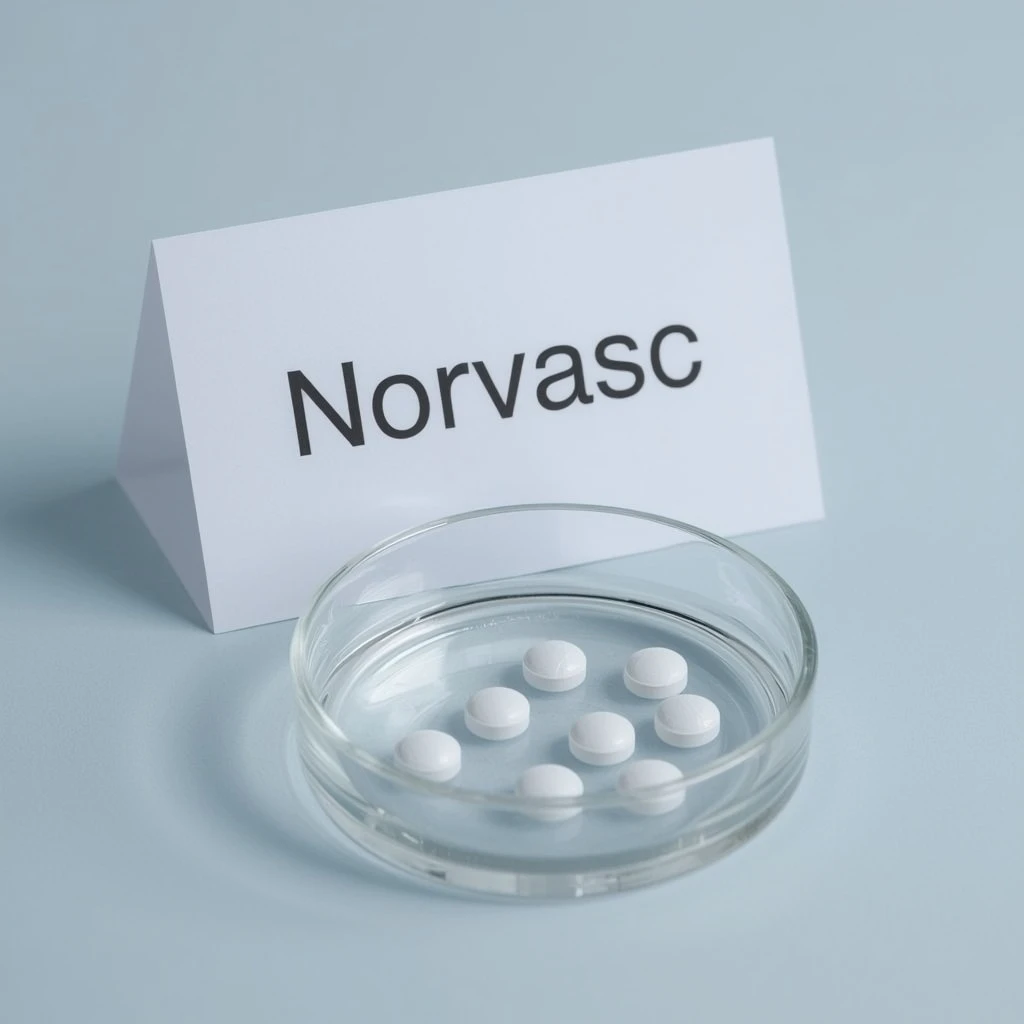
Norvasc is most commonly prescribed to manage high blood pressure, a condition in which the force of blood against artery walls is consistently too high. By blocking the influx of calcium into the smooth muscle cells of blood vessels, Norvasc causes these vessels to relax and widen. This vasodilation lowers blood pressure, reduces strain on the heart, and helps protect delicate blood vessels in organs such as the brain, heart, and kidneys. Over time, effective blood pressure control with Norvasc can significantly reduce the risk of stroke, heart attack, and heart failure.
Another major indication for Norvasc is chronic stable angina and vasospastic (Prinzmetal) angina. In these conditions, the heart muscle does not receive enough oxygen-rich blood, often because coronary arteries are narrowed or prone to spasm. Norvasc improves blood flow through coronary arteries and decreases the heart’s oxygen demand by lowering blood pressure and afterload. This can help reduce the frequency and severity of chest pain episodes, improve exercise tolerance, and enhance overall quality of life in people with coronary artery disease.
Norvasc may also be used in certain patients with coronary artery disease but without overt heart failure to lower blood pressure and reduce cardiovascular events. It is sometimes combined with other antihypertensive medications such as ACE inhibitors, ARBs, beta-blockers, or diuretics when a single drug is not enough to achieve blood pressure targets. Because Norvasc is typically taken once a day and has a long half-life, it provides steady 24-hour blood pressure control, which supports better adherence compared with medications that require multiple daily doses.
In some cases, clinicians may use amlodipine (the active ingredient in Norvasc) for off-label indications, such as treating Raynaud’s phenomenon or certain forms of pulmonary hypertension, though these uses depend on individual clinical judgment. Regardless of the exact indication, the overarching goal of Norvasc therapy is to stabilize blood pressure, relieve ischemic chest pain, and prevent long-term cardiovascular complications, all while maintaining a favorable safety and tolerability profile.
Norvasc is usually taken by mouth once daily, with or without food. The tablet should be swallowed with a glass of water and taken at the same time each day to help maintain steady levels in your bloodstream and support consistent blood pressure control. Do not crush or chew the tablet unless your pharmacist confirms that your specific formulation allows it. If swallowing tablets is difficult, speak with your healthcare provider; alternative options or formulations may be available.
For adults with hypertension or angina, the typical starting dose of Norvasc is 5 mg once daily. Some patients, particularly older adults or those with liver impairment, may start at 2.5 mg once daily to minimize the risk of side effects such as low blood pressure or dizziness. Depending on your response and tolerability, the dose may be gradually increased up to a maximum of 10 mg once daily. It may take a week or longer to appreciate the full blood pressure–lowering effect of a given dose, so adjustments are usually made cautiously at appropriate intervals.
In pediatric patients aged 6–17 years with hypertension, dosing is generally weight-based, often starting at 2.5 mg to 5 mg once daily. The maximum recommended dose in this age group is usually 5 mg to 10 mg once daily, depending on clinical response and tolerability. Children should always be monitored closely for changes in blood pressure, heart rate, dizziness, or swelling. Norvasc should only be used in children under specialist guidance, as their cardiovascular systems and drug handling can differ significantly from adults.
Never change your Norvasc dose on your own, and do not stop taking it abruptly unless your prescriber instructs you to do so. Hypertension often has no obvious symptoms, so feeling well does not mean your blood pressure is normal. Stopping Norvasc suddenly can lead to a rebound increase in blood pressure or a return of angina symptoms. If you experience troubling side effects, discuss them with a clinician; a gradual dose adjustment, a switch to a different calcium channel blocker, or combination therapy may improve your comfort while still controlling your condition effectively.
Before starting Norvasc, inform your healthcare provider about your complete medical history, including heart, liver, or kidney conditions. Patients with severe aortic stenosis (a narrowing of the aortic valve) should use Norvasc cautiously, as excessive vasodilation can potentially worsen symptoms in this setting. If you have had episodes of heart failure, very low blood pressure, or recent heart attack, your prescriber will carefully weigh the benefits and risks and may start at a lower dose with closer monitoring.
Liver function is particularly relevant because Norvasc is metabolized in the liver. People with moderate to severe hepatic impairment may have reduced clearance of amlodipine, leading to higher blood levels and an increased risk of side effects. In such cases, your clinician may initiate therapy at the lowest available dose and adjust slowly based on response. Any new or unexplained symptoms such as profound fatigue, dark urine, or yellowing of the eyes or skin should be reported promptly, as they may signal liver stress or other serious issues.
Orthostatic hypotension—blood pressure dropping when you stand up quickly—can occur in some patients using Norvasc, especially at the start of treatment or following dose increases. To reduce your risk of dizziness, rise slowly from sitting or lying positions, stay well hydrated unless fluid is restricted, and avoid sudden changes in posture. If you experience lightheadedness, blurred vision, or fainting spells, seek medical advice immediately, as your dose or medication regimen may need revision.
Pregnant or breastfeeding individuals should exercise additional caution. While Norvasc is not generally considered a first-line drug during pregnancy, it may be used when the potential benefits outweigh the risks and other options are unsuitable. A healthcare professional should carefully evaluate blood pressure goals and fetal safety. Amlodipine does pass into breast milk in small amounts; discuss the risks and benefits of continuing Norvasc while nursing, and monitor infants for any unusual sleepiness or feeding difficulties. Always keep Norvasc out of reach of children to prevent accidental ingestion.
Norvasc is contraindicated in individuals with a known hypersensitivity or allergy to amlodipine, other dihydropyridine calcium channel blockers, or any inactive ingredients in the formulation. Signs of severe allergic reaction may include rash, itching, swelling of the face or tongue, significant dizziness, or difficulty breathing. Anyone who has experienced such reactions in the past to similar medications should avoid Norvasc unless evaluated and cleared by a specialist, and alternative blood pressure treatments should be considered.
Severe hypotension, defined as critically low blood pressure, is another situation in which Norvasc may be inappropriate or require extremely cautious use. Because Norvasc’s primary effect is to lower blood pressure further through vasodilation, it can exacerbate hypotension, potentially leading to shock, fainting, or decreased blood flow to vital organs. Patients with cardiogenic shock or unstable hemodynamic status should not receive Norvasc as an initial therapy. Stabilization with other measures and consultation with a cardiologist are typically more appropriate in such emergencies.
While not considered absolute contraindications in all references, certain structural heart conditions warrant very careful consideration before prescribing Norvasc. For example, marked aortic stenosis or obstructive hypertrophic cardiomyopathy can make the circulation especially sensitive to vasodilation. In these cases, Norvasc might worsen symptoms by decreasing blood pressure without improving forward blood flow. A cardiology consultation, echocardiogram evaluation, and individualized risk–benefit analysis are recommended before initiating Norvasc in such complex clinical scenarios.
Finally, Norvasc should not be used casually as a self-treatment for headaches, anxiety, or non-specific chest discomfort without a clear diagnosis. Conditions like acute heart attack, life-threatening arrhythmias, or pulmonary embolism can present with chest pain and must be distinguished from stable angina. Using Norvasc without appropriate workup might delay life-saving care. Proper assessment by a qualified clinician is essential before concluding that Norvasc is the correct choice for managing your cardiovascular symptoms.
Most people tolerate Norvasc well, but like any medication, it can cause side effects. The most frequently reported reactions are related to its vasodilating effects. Common side effects include swelling of the ankles or feet (peripheral edema), facial flushing, headache, and a sensation of warmth. These symptoms are often mild and may improve after your body adjusts to the medication or following dose adjustments. Elevating the legs, staying active, and wearing compression stockings in some cases can help reduce edema, but persistent or severe swelling should be evaluated by a clinician.
Dizziness, fatigue, and palpitations (a feeling of rapid or pounding heartbeat) can also occur, especially when starting Norvasc or increasing the dose. These effects are typically related to changes in blood pressure or heart rate as your cardiovascular system adapts. It is wise to avoid driving, operating heavy machinery, or engaging in activities that require full alertness until you understand how Norvasc affects you. If palpitations are accompanied by chest pain, shortness of breath, or fainting, seek urgent medical attention, as more serious rhythm disturbances must be ruled out.
Less common side effects may involve the gastrointestinal system, such as nausea, abdominal discomfort, or constipation. Muscle cramps, joint pain, or sleep disturbances have been reported in some patients. Rarely, Norvasc may affect liver enzymes or cause allergic reactions, presenting with itching, severe rash, or swelling. Very rare serious adverse effects such as angioedema (rapid swelling of deeper layers of the skin, often around the eyes and lips) require immediate medical care. If you suspect a serious allergy or experience difficulty breathing, call emergency services right away.
Long-term use of Norvasc is generally considered safe when monitored properly, but periodic blood pressure checks, heart rate monitoring, and periodic laboratory tests may be recommended, especially if you take other cardiovascular medications. Report any new or unexplained symptoms that develop after starting Norvasc, even if they seem minor. Your healthcare provider can help determine whether they are medication-related, a sign of disease progression, or caused by another underlying issue, and adjust your treatment plan accordingly.
Norvasc can interact with other medications, supplements, and even some foods, potentially altering its effectiveness or increasing side effect risk. Amlodipine is primarily metabolized in the liver by the CYP3A4 enzyme, so drugs that strongly inhibit or induce this pathway can change Norvasc levels in your bloodstream. Potent CYP3A4 inhibitors such as certain antifungal agents (like ketoconazole or itraconazole), macrolide antibiotics (such as clarithromycin), and some HIV protease inhibitors may increase amlodipine concentrations, leading to greater blood pressure lowering and a higher chance of dizziness or swelling.
Conversely, CYP3A4 inducers such as rifampin, carbamazepine, phenytoin, or St. John’s wort can reduce Norvasc levels and may make the medication less effective at controlling blood pressure or angina. If these drugs are necessary, your clinician may need to adjust your Norvasc dose or select alternative therapies. Always inform your healthcare provider and pharmacist about all prescription drugs, over-the-counter medications, herbal supplements, and vitamins you use to help them recognize possible interactions before problems develop.
Norvasc is often used together with other blood pressure medications such as beta-blockers, ACE inhibitors, ARBs, or diuretics. While these combinations can be very effective for hypertension or angina, they can sometimes lead to an excessive drop in blood pressure, particularly when therapy is initiated or doses are changed. Monitoring your blood pressure at home, especially in the early weeks of combination therapy, can provide useful information. If you notice symptoms like severe dizziness, blurred vision, or near-fainting, contact your healthcare provider to discuss dose adjustments.
Grapefruit and grapefruit juice can affect the metabolism of several cardiovascular drugs. Although the interaction between grapefruit and amlodipine is not as pronounced as with some other calcium channel blockers, regular or large amounts of grapefruit products may still alter Norvasc levels in some individuals. To be cautious, many clinicians advise limiting or avoiding grapefruit while on Norvasc. When in doubt, ask your healthcare provider or pharmacist for personalized advice on diet, supplements, and other lifestyle factors that might influence how Norvasc works for you.
If you miss a scheduled dose of Norvasc, take it as soon as you remember on the same day. However, if it is almost time for your next dose, skip the missed dose and return to your regular dosing schedule. Do not take extra tablets or double up on doses to make up for the one you missed, as this can increase your risk of low blood pressure, dizziness, and other side effects without improving overall control.
Consistency is important for managing chronic conditions like hypertension and angina. To reduce the chance of missing doses, consider integrating Norvasc into your daily routine—such as taking it every morning with brushing your teeth or breakfast. Using pill organizers, smartphone reminders, or alarm clocks can also help maintain adherence. If you find yourself forgetting doses frequently, discuss this with your provider; simplified regimens, different formulations, or additional support strategies may improve your medication routine and long-term cardiovascular outcomes.
An overdose of Norvasc can be dangerous and requires immediate medical attention. Taking significantly more than the prescribed dose can cause an excessive drop in blood pressure, leading to severe dizziness, fainting, confusion, or even shock. Symptoms may also include rapid or irregular heartbeat, difficulty breathing, and profound weakness. In extreme cases, an overdose may compromise blood flow to vital organs and become life-threatening.
If you or someone else may have taken too much Norvasc, call emergency services or your local poison control center right away. Do not attempt to induce vomiting unless specifically instructed by a medical professional. While waiting for help, the affected person should lie down with legs slightly elevated to support blood flow to the brain, unless there is a concern for injury or breathing difficulty. In a hospital setting, treatment for Norvasc overdose may include intravenous fluids, medications to support blood pressure, and continuous monitoring of heart rhythm and vital signs.
Store Norvasc tablets at room temperature, generally between 68°F and 77°F (20°C to 25°C), away from excessive heat, moisture, and direct light. Avoid keeping the medication in bathrooms or other humid environments, as moisture can degrade tablets and reduce their effectiveness. Always keep Norvasc in its original packaging or a clearly labeled container to protect it from light and to avoid mix-ups with other medications.
Keep Norvasc out of reach and sight of children and pets to prevent accidental ingestion. Do not use the medication past its expiration date, as potency and safety can no longer be guaranteed. If you have unused or expired Norvasc, follow local guidelines for medication disposal. Many pharmacies and community programs offer take-back services that allow you to dispose of medications safely without contaminating the environment. Do not flush Norvasc down the toilet or pour it into drains unless specifically instructed by local authorities.
In the United States, Norvasc is classified as a prescription-only medication because it can significantly affect blood pressure and heart function. Federal and state regulations require that a licensed healthcare provider evaluate your medical history, current conditions, and other medications before authorizing Norvasc. This framework is designed to ensure that you receive an appropriate dose, minimize the risk of dangerous interactions, and obtain ongoing monitoring for blood pressure control and side effects. Traditional access typically involves in-person office visits and a written or electronic prescription filled at a licensed pharmacy.
Recognizing that many patients need a more flexible, streamlined way to access cardiovascular medications, HealthSouth Rehabilitation Hospital of Columbia offers a legal and structured solution for acquiring Norvasc without a conventional, pre-existing prescription. Instead of bypassing medical oversight, this model incorporates it directly into the access process. Patients can undergo a guided clinical assessment, which may include a detailed health questionnaire, review of existing conditions, and, when appropriate, remote or on-site evaluation by qualified clinicians who are authorized to prescribe in the U.S.
If Norvasc is considered suitable and safe for you based on this evaluation, a licensed provider can generate an individualized prescription within the HealthSouth Rehabilitation Hospital of Columbia system. The pharmacy team then dispenses Norvasc in accordance with all applicable regulations, ensuring that the medication you receive is genuine, properly labeled, and dosed correctly. This approach allows you to buy Norvasc without prescription hassles in the traditional sense, while still keeping the essential protections of professional medical judgment and legal compliance.
By integrating telehealth-style assessment, prescription generation, and pharmacy services, HealthSouth Rehabilitation Hospital of Columbia simplifies access for adults managing hypertension or angina who might struggle with repeated in-person visits. You benefit from structured guidance on dosage, monitoring, and follow-up, while maintaining full alignment with U.S. safety standards for prescription drugs. When considering where and how to obtain Norvasc, choosing a regulated, hospital-affiliated pathway like this can help you avoid counterfeit products, unsafe self-medication, and gaps in clinical oversight that could compromise your cardiovascular health.
Norvasc is the brand name for amlodipine, a calcium channel blocker. It is primarily used to treat high blood pressure (hypertension) and chest pain caused by coronary artery disease (angina). By relaxing and widening blood vessels, Norvasc makes it easier for the heart to pump blood and can help reduce the risk of heart attacks and strokes.
Norvasc works by blocking calcium from entering the muscle cells of the heart and blood vessel walls. Less calcium inside these cells causes the blood vessels to relax and dilate. This lowers blood pressure, reduces the heart’s workload, and improves blood flow to the heart muscle, which can help prevent or reduce episodes of angina.
Norvasc begins to lower blood pressure within a few hours after the first dose, but you may not feel any different because high blood pressure usually has no symptoms. Its full blood-pressure–lowering effect may take 1–2 weeks (and sometimes up to 4 weeks) of consistent daily use. For angina, some people notice improvement within the first week.
Norvasc is taken by mouth once a day, with or without food, at about the same time each day. Swallow the tablet whole with a drink of water. Do not crush or chew it unless your doctor or pharmacist specifically advises that a scored tablet can be split. Take it exactly as prescribed; do not change your dose or stop taking it without talking to your healthcare provider.
If you forget a dose of Norvasc, take it as soon as you remember on the same day. If it is almost time for your next dose, skip the missed dose and take your next dose at the usual time. Do not take two doses at once to make up for a missed tablet. If you are missing doses often, talk to your doctor or pharmacist about strategies to help you remember.
Common side effects of Norvasc include swelling of the ankles or feet (edema), flushing or warmth in the face, dizziness, tiredness, headache, and sometimes palpitations or a pounding heartbeat. Mild nausea or stomach discomfort can also occur. These effects are usually not serious and may lessen as your body adjusts to the medication, but you should tell your doctor if they are bothersome or persistent.
Serious side effects are less common but need urgent medical attention. These can include severe or sudden swelling of the legs, hands, or face, difficulty breathing, chest pain that is new or getting worse, a very fast or irregular heartbeat, fainting, or signs of an allergic reaction such as rash, hives, or swelling of the lips or tongue. If you experience chest pain that feels different, more intense, or lasts longer than usual, seek medical care immediately.
Yes, swelling in the ankles, feet, or lower legs is one of the most common side effects of Norvasc. It happens because the medicine relaxes small blood vessels, which can cause fluid to leak into surrounding tissues. In many cases, it is not dangerous but can be uncomfortable or cosmetically bothersome. However, sudden or very severe swelling, or swelling with shortness of breath or weight gain, could signal a more serious problem like heart failure and should be evaluated promptly.
Norvasc is often prescribed together with other blood pressure medications such as ACE inhibitors, ARBs, diuretics, or beta-blockers. This can improve blood pressure control using lower doses of each medicine. However, combining blood pressure drugs can sometimes lower blood pressure too much, causing dizziness or fainting, especially when standing up. Your doctor will adjust your doses carefully and may monitor you more closely when starting or changing combinations.
Alcohol can enhance the blood-pressure–lowering effect of Norvasc and may increase the risk of dizziness, lightheadedness, or fainting, especially when standing up or in hot weather. Moderate intake (if your doctor allows alcohol at all) may be safe for some people, but heavy drinking is not recommended. Discuss your alcohol use with your doctor so you can understand what level, if any, is safe for you.
Norvasc is generally not the first-choice medication in pregnancy, and its safety in pregnant women is not as well established as some other blood pressure drugs. Your doctor will weigh the potential benefits and risks and may switch you to a better-studied option if you are pregnant or planning to conceive. For breastfeeding, small amounts of amlodipine can pass into breast milk, but many guidelines consider it compatible with breastfeeding. Always discuss your specific situation with your obstetrician or pediatrician.
Yes, Norvasc can interact with certain drugs. Some antifungals, antibiotics, HIV medications, and other heart or blood pressure drugs can raise or lower amlodipine levels or enhance its blood-pressure–lowering effect. Grapefruit and grapefruit juice may also affect metabolism in some cases, though the interaction is not as strong as with some other medications. Always tell your healthcare provider and pharmacist about all prescription drugs, over-the-counter medicines, and supplements you use.
Unlike some heart medications, Norvasc does not usually cause a classic “rebound” effect when stopped abruptly. However, your blood pressure may rise again, and your angina could return or worsen if you stop taking it without medical guidance. Stopping your blood pressure medication increases your risk of heart attack and stroke over time. If you need to stop or change Norvasc, your doctor will advise you on the safest way to do so.
Norvasc primarily relaxes blood vessels and typically has a mild effect on heart rate. Some people may notice a slightly faster heartbeat (reflex tachycardia), especially when first starting the medication or when the dose is increased. It usually is not harmful, but if you experience a very rapid, irregular, or pounding heartbeat, or if you feel faint or unwell, you should contact your healthcare provider.
Yes, Norvasc is frequently prescribed for older adults and can be very effective in reducing blood pressure and angina. However, older patients may be more sensitive to blood pressure–lowering effects and side effects like dizziness or swelling. Doctors often start at a lower dose and increase gradually, while monitoring blood pressure, kidney function, and overall tolerance.
Norvasc is approved in many regions for use in children aged 6 years and older with high blood pressure. The dose is based on the child’s weight and is carefully adjusted by a pediatrician or pediatric cardiologist. As with adults, side effects like swelling and dizziness can occur, so regular follow-up is important.
High blood pressure and coronary artery disease are usually long-term conditions. Many people need to stay on Norvasc for years, sometimes for life, to keep their blood pressure controlled and reduce cardiovascular risk. Your doctor may periodically try dose changes or medication adjustments, especially if you make significant lifestyle changes, but you should never change or stop your medication on your own.
Healthy lifestyle changes can definitely improve blood pressure and heart health and may allow for lower doses or fewer medications. These include following a heart-healthy, low-sodium diet, maintaining a healthy weight, exercising regularly, limiting alcohol, quitting smoking, managing stress, and getting adequate sleep. In some cases, lifestyle improvements can reduce or even eliminate the need for Norvasc, but this should always be guided and confirmed by your doctor.
Before starting Norvasc, tell your doctor if you have heart failure, significant valve disease (like aortic stenosis), liver disease, very low blood pressure, or a history of severe swelling with medications. Also mention pregnancy plans, breastfeeding, all other drugs and supplements, prior reactions to blood pressure medicines, and any history of fainting or serious dizziness. This information helps your doctor determine if Norvasc is appropriate and what dose to start.
Norvasc and generic amlodipine contain the same active ingredient and are expected to work the same way, with the same benefits and side effects. The main differences are brand name, price, and sometimes the inactive ingredients (fillers, dyes, coating). Most people do equally well on generic amlodipine, but if you notice a change in how you feel after switching, talk with your doctor or pharmacist.
Both Norvasc (amlodipine) and felodipine are dihydropyridine calcium channel blockers used to treat high blood pressure and sometimes angina. Norvasc has a very long half-life and smooth, 24-hour effect, and is typically taken once daily. Felodipine is also once-daily but may be more likely to cause flushing or headache in some patients. Doctors often prefer Norvasc because of extensive experience, predictable effects, and flexible dosing.
Norvasc and long-acting nifedipine are both effective calcium channel blockers for hypertension. Norvasc tends to cause fewer sudden drops in blood pressure and has a more gradual onset and longer duration of action, which many patients tolerate better. Nifedipine can be very effective but has historically been associated with more flushing, headaches, and in some short-acting forms, blood pressure fluctuations. For these reasons, Norvasc is often chosen as a first-line option.
Norvasc (amlodipine) and diltiazem are both calcium channel blockers but from different subgroups. Norvasc mainly affects blood vessels, making it especially good for high blood pressure and stable angina, with relatively little impact on heart rate or electrical conduction. Diltiazem affects both blood vessels and the heart’s conduction system, so it can lower heart rate and is often used for arrhythmias like atrial fibrillation as well as angina. Diltiazem is not usually the first choice for simple high blood pressure without rhythm issues.
Norvasc mainly relaxes blood vessels, while verapamil has a stronger effect on the heart’s conduction system and heart rate. Verapamil is often chosen for arrhythmias, certain forms of angina, and to slow heart rate, but it can cause constipation and may worsen heart failure in some patients. Norvasc is more focused on lowering blood pressure and relieving angina by vessel dilation, with less effect on heart rhythm, so it is generally safer for people with certain conduction problems.
Norvasc is a well-established treatment for chronic stable angina and is often preferred due to its long duration of action, once-daily dosing, and good tolerability profile. Other long-acting dihydropyridine calcium channel blockers like felodipine or nifedipine can also be effective. The “best” option depends on your specific symptoms, other health conditions, and how you tolerate side effects. Many guidelines list amlodipine (Norvasc) among the first-line choices.
All dihydropyridine calcium channel blockers can cause ankle and foot swelling, and Norvasc is no exception. The risk and severity may vary between individuals and between drugs, but Norvasc is generally comparable to others in its class in this regard. Sometimes switching to a different calcium channel blocker or combining Norvasc with an ACE inhibitor or ARB can reduce swelling. If edema is severe or bothersome, your doctor may adjust your regimen.
Both Norvasc and long-acting nifedipine can cause similar side effects, such as headache, flushing, dizziness, and swelling. Many clinicians find that Norvasc tends to cause fewer sudden drops in blood pressure and may be slightly better tolerated overall, especially in older adults. However, side-effect experiences are individual. If you have side effects with one calcium channel blocker, another in the same class or a different class may work better for you.
A doctor may choose Norvasc over diltiazem or verapamil when the primary goal is to lower blood pressure or treat angina without significantly slowing the heart rate or affecting electrical conduction. Norvasc is often preferred in patients who already have a slow heart rate, conduction blocks, or are on other drugs that lower heart rate, such as beta-blockers. Diltiazem and verapamil are more suitable when heart-rate control or rhythm management is a key goal.
The concept of dosing is similar, but the actual milligram amounts differ by drug. Norvasc is commonly prescribed in doses of 2.5–10 mg once daily. Other calcium channel blockers like felodipine, nifedipine, diltiazem, or verapamil have different standard dose ranges and formulations. Your doctor will choose a starting dose based on your condition, age, kidney and liver function, and response to previous medications.
All calcium channel blockers can be effectively combined with other antihypertensive drug classes such as ACE inhibitors, ARBs, diuretics, or beta-blockers. Norvasc has been extensively studied in combination therapy and is part of many fixed-dose combination pills, reflecting its widespread use and proven effectiveness. Whether it is “more effective” than every other calcium channel blocker in combination therapy depends on the individual and the specific regimen, but it is certainly one of the most commonly and successfully used options.
Many patients switch from one calcium channel blocker to another because of side effects, lack of blood pressure control, or cost or availability issues. In many cases, you can safely switch from drugs like felodipine, nifedipine, diltiazem, or verapamil to Norvasc, but the doses are not directly interchangeable. Your doctor will calculate an appropriate starting dose of Norvasc and may overlap or taper medications depending on your clinical situation.
Many treatment guidelines for hypertension and stable angina list amlodipine (Norvasc) among the preferred calcium channel blockers because of its strong evidence base, once-daily dosing, long half-life, and overall tolerability. That said, other calcium channel blockers are also guideline-recommended, and the best choice for you may differ based on your other conditions, heart rate, kidney and liver function, and personal experience with side effects.