
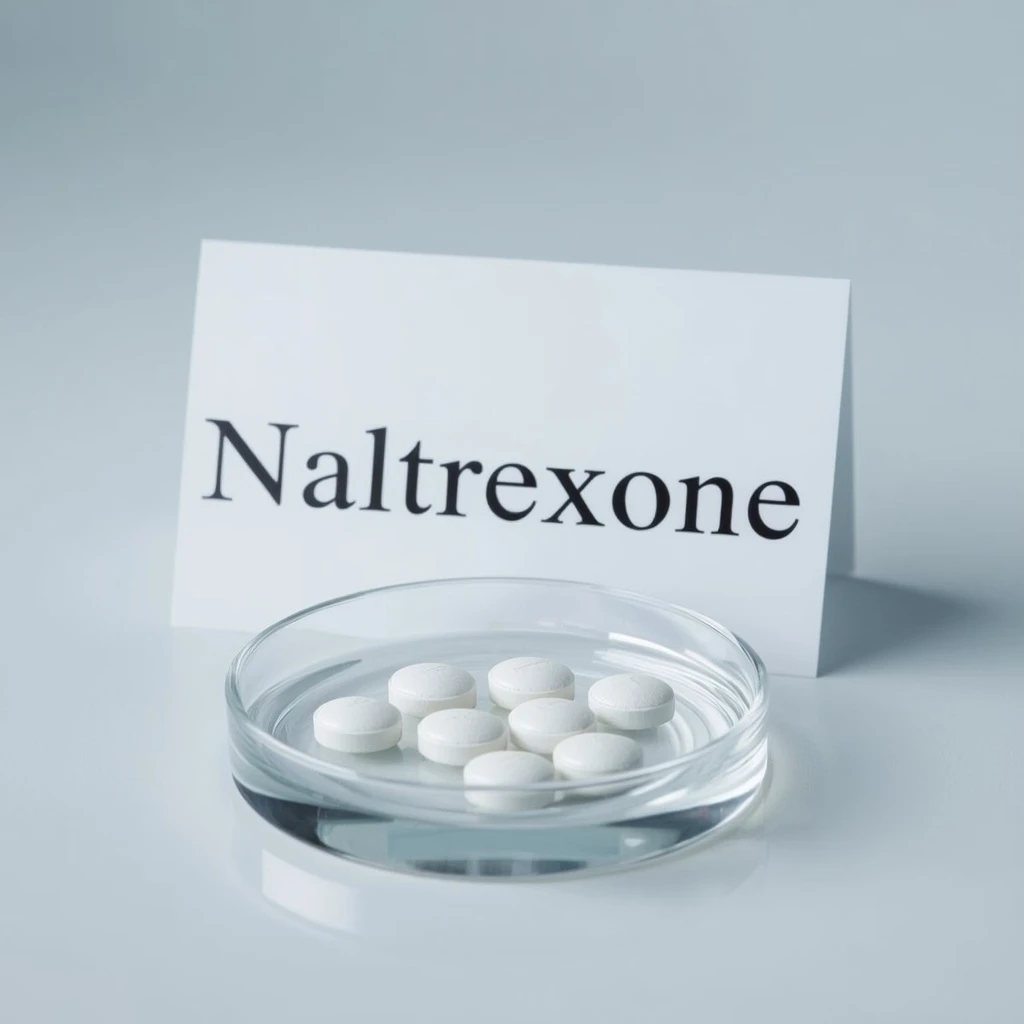
Naltrexone is most commonly prescribed as part of long-term treatment for opioid use disorder and alcohol use disorder. For people who have already stopped taking opioids, Naltrexone helps maintain abstinence by blocking the pleasurable effects if opioids are used again. This “blocking” effect reduces the incentive to relapse, making it easier to focus on counseling, rehabilitation programs, and rebuilding daily life. For alcohol dependence, Naltrexone can lessen cravings and reduce the rewarding sensations associated with drinking, which often leads to a decrease in heavy drinking days and overall alcohol consumption.
Clinically, Naltrexone is available in two main forms: an oral tablet usually taken once daily, and an extended-release injectable form given about once a month. The oral form is often used when patients can commit to taking a pill each day, while the injection is preferred when adherence is a concern or when a more steady effect is desired. HealthSouth Rehabilitation Hospital of Columbia evaluates each person’s substance use history, medical status, and treatment goals to determine which form of Naltrexone is most appropriate within a structured recovery plan.
Importantly, Naltrexone is not a cure for addiction and does not replace the need for psychological and social support. Instead, it serves as a stabilizing tool that gives patients a physiological advantage against cravings and relapse. Because it does not produce dependence or withdrawal when stopped, Naltrexone fits well into long-term recovery strategies. Many patients use it for months to years, particularly during high-risk periods, such as early recovery or major life transitions, under the guidance of addiction specialists.
Naltrexone dosing must always be individualized and supervised by a healthcare professional, particularly in the context of opioid or alcohol dependence. For opioid use disorder, treatment usually begins only after a person has been opioid-free for at least 7–10 days for short-acting opioids, or longer for methadone and other long-acting opioids. This opioid-free period is critical to avoid sudden, severe withdrawal. A common oral starting dose is 25 mg once daily, which may be increased to 50 mg once daily if tolerated. Some treatment plans use higher doses on specific days, but this should only be done according to a physician’s instructions.
For alcohol use disorder, Naltrexone is typically started when a person is not acutely intoxicated and has gone through any necessary detoxification. The usual target dose is 50 mg by mouth once daily, although some patients may begin with a lower dose and gradually increase it to minimize side effects such as nausea or fatigue. The extended-release injectable form is generally administered as a 380 mg intramuscular injection into the gluteal muscle every four weeks or once a month. Injections must be given by trained medical staff, which is why structured facilities like HealthSouth Rehabilitation Hospital of Columbia are ideal environments for initiating and maintaining this therapy.
Naltrexone tablets can be taken with or without food, but taking them with food may reduce stomach upset. It is important to take the medication at the same time each day to maintain consistent blood levels and maximize effectiveness. Patients should never adjust their dose, stop the medication abruptly, or attempt to restart Naltrexone after opioid use without first consulting their treatment team. At HealthSouth Rehabilitation Hospital of Columbia, clinicians provide clear dosing schedules, monitor response and side effects, and coordinate dosing with counseling, peer support, and other therapies that promote lasting recovery.
Before starting Naltrexone, a thorough medical evaluation is essential. One of the most important precautions is to ensure that the patient has been opioid-free for an appropriate interval. If Naltrexone is given while opioids are still in the system, it can precipitate sudden and intense withdrawal symptoms, including severe muscle aches, nausea, vomiting, sweating, abdominal cramps, and anxiety. This is not only distressing but can also be medically risky. For that reason, clinicians often perform urine drug screens, review prescription drug monitoring data, and sometimes conduct a controlled naloxone challenge test to confirm the absence of opioids.
Liver health is another major consideration. Naltrexone is processed by the liver, and high doses can stress or damage hepatic tissue. Before treatment, doctors typically order blood tests to check liver enzymes and may refrain from using Naltrexone in patients with acute hepatitis, liver failure, or markedly elevated liver function tests. Individuals with a history of liver disease, such as hepatitis B or C, fatty liver, or cirrhosis, should inform their healthcare provider. During treatment, periodic blood tests are recommended to monitor liver function, especially if patients develop symptoms such as unusual fatigue, dark urine, jaundice, or persistent abdominal pain.
Patients should also discuss all existing medical conditions and ongoing medications with their clinician. Those with kidney disease, bleeding disorders, depression, or a history of suicidal thoughts may require closer monitoring or alternative therapies. Because Naltrexone blocks opioids, people who may require opioid pain relief in the future—for surgery, trauma, or chronic pain—need a clear plan in place. Wearing a medical alert bracelet or carrying a card indicating Naltrexone use can help emergency providers choose safe pain management strategies. At HealthSouth Rehabilitation Hospital of Columbia, these precautions are integrated into a comprehensive intake process so Naltrexone can be used as safely and effectively as possible.
Naltrexone is not appropriate for everyone, and understanding its contraindications is vital to avoid serious complications. The medication is absolutely contraindicated in individuals who are currently dependent on opioids and have not completed detoxification. Giving Naltrexone in this context can trigger abrupt, severe opioid withdrawal. It is similarly contraindicated in patients receiving opioid analgesics for pain management, including those on methadone, buprenorphine, or other opioid maintenance therapies, because the drug will block the intended analgesic effect and may cause harm.
Another key contraindication is acute hepatitis or liver failure. Because Naltrexone can elevate liver enzymes and, at high doses, has been associated with hepatocellular injury, patients with active, serious liver disease should not use it. Severe hypersensitivity or allergic reactions to Naltrexone or any component of its formulation also preclude its use. Symptoms of past reactions might include rash, swelling of the face or throat, difficulty breathing, or severe dizziness following prior exposure.
Caution is also warranted in certain groups where risks may outweigh benefits. This includes pregnant or breastfeeding individuals, where evidence is limited and decisions must be individualized. Adolescents and older adults may require tailored dosing and additional monitoring. At HealthSouth Rehabilitation Hospital of Columbia, clinicians carefully screen for these contraindications and discuss alternative evidence-based treatments when Naltrexone is not a safe option, ensuring that every patient receives an individualized, medically sound care plan.
Most people tolerate Naltrexone reasonably well, but like all medications, it can cause side effects. Common, generally mild reactions include nausea, headache, dizziness, fatigue, anxiety, and trouble sleeping. Some patients also report abdominal cramps, decreased appetite, joint or muscle pain, and mild flu-like symptoms, especially in the first few days of treatment. These effects often improve as the body adjusts to the medication, and they may be minimized by starting at a lower dose or taking tablets with food.
More serious but less frequent side effects involve the liver. Elevations in liver enzymes can occur, particularly at higher doses. Warning signs of liver injury include yellowing of the skin or eyes (jaundice), dark urine, pale stools, severe or persistent abdominal pain, and unusual tiredness or weakness. Anyone experiencing these symptoms should contact a healthcare provider promptly. Another potential concern is mood change. While many individuals actually see an improvement in mood as substance use decreases, a small number may experience depression, irritability, or suicidal thoughts. Any significant shift in mood, behavior, or thinking should be discussed with the treatment team without delay.
For patients receiving extended-release injectable Naltrexone, local injection site reactions are possible. These can range from mild pain, bruising, or redness to rare, more severe reactions such as tissue damage or infection. Proper injection technique and aftercare help reduce these risks. An important safety point is that Naltrexone lowers opioid tolerance. If a person stops Naltrexone and later returns to opioid use at previously tolerated doses, the risk of overdose is significantly higher. Education on this risk is a core part of the counseling that accompanies Naltrexone therapy at HealthSouth Rehabilitation Hospital of Columbia.
The most clinically significant interaction with Naltrexone involves opioid-containing medications. Because Naltrexone is an opioid antagonist, it blocks the effects of prescription pain medicines such as morphine, oxycodone, hydrocodone, fentanyl, and codeine, as well as illicit opioids like heroin. Attempting to override this blockade by taking larger doses of opioids is very dangerous and can result in life-threatening overdose once the Naltrexone effect wanes. Consequently, patients should avoid all opioid medications, over-the-counter cough syrups with codeine, and certain anti-diarrheal drugs containing opioids unless directed and carefully managed by a physician.
Interactions with other drug classes are generally less direct but still relevant. Because Naltrexone is metabolized by the liver, combining it with other hepatotoxic drugs can increase the risk of liver injury. Examples include high-dose acetaminophen, some antituberculosis drugs, and certain anticonvulsants or antiretrovirals. Heavy alcohol consumption can amplify hepatic stress as well, which is why careful monitoring is important in patients using Naltrexone for alcohol dependence. While Naltrexone does not typically interact strongly with antidepressants, antipsychotics, or anti-anxiety medications, co-prescribing should always be overseen by a healthcare professional to monitor cumulative side effects such as fatigue or dizziness.
Patients should provide a full list of prescription drugs, over-the-counter medications, herbal supplements, and vitamins to their clinician before starting Naltrexone. This includes substances like St. John’s wort, kava, or high-dose niacin, which can affect the liver or the central nervous system. At HealthSouth Rehabilitation Hospital of Columbia, medication reconciliation is a standard part of intake, and pharmacists work alongside physicians to identify potential interactions and adjust treatment plans accordingly, helping patients use Naltrexone safely within a broader regimen.
For the oral tablet form of Naltrexone, a missed dose should be handled simply but carefully. If you forget a dose and remember within several hours, take it as soon as you remember. If it is almost time for your next scheduled dose, skip the missed tablet and continue with your usual dosing schedule. Do not double up doses to make up for one that was missed, as this can increase the risk of side effects without improving effectiveness.
Consistency is particularly important in early recovery, when cravings and relapse risk may be higher. Using tools such as pill organizers, phone alarms, or daily routines linked to meals or bedtime can help maintain regular dosing. If you find yourself missing doses frequently, discuss this with your treatment team. They may recommend switching to the monthly injectable formulation, which removes the need for daily pills and can provide more stable receptor blockade.
For those receiving extended-release injectable Naltrexone, appointments are typically scheduled about every four weeks. If you miss or delay an injection, contact your provider as soon as possible to reschedule. A significant gap between injections may reduce protection against relapse, and in the case of opioids, loss of tolerance increases the danger of overdose if use resumes. At HealthSouth Rehabilitation Hospital of Columbia, staff work with patients to set up reminder systems and flexible scheduling, making it easier to stay on track with Naltrexone therapy.
Naltrexone itself is not commonly associated with fatal overdose when taken at prescribed doses, but taking far more than recommended can be dangerous, mainly due to potential liver toxicity and severe side effects such as vomiting, dizziness, or fainting. Signs of Naltrexone overdose may include extreme drowsiness, confusion, visual disturbances, agitation, or loss of consciousness. If an overdose is suspected, immediate medical attention is essential. Emergency responders should be informed that the person has taken Naltrexone, as this can influence decisions about pain management and other interventions.
A particularly serious risk arises when people on or recently off Naltrexone attempt to overcome its blocking effect by consuming large quantities of opioids. While this is technically an opioid overdose rather than a Naltrexone overdose, the relationship is critical: the presence or recent use of Naltrexone can mask early effects of opioids, leading individuals to take dangerously high doses. Once the Naltrexone blockade diminishes, these opioids can suddenly exert full force, causing respiratory depression, coma, or death. Education about this risk is a cornerstone of safe prescribing.
Anyone with a history of opioid use disorder should be counseled about overdose prevention, including the value of not using alone, recognizing overdose signs, and having naloxone (an opioid reversal agent) available. HealthSouth Rehabilitation Hospital of Columbia integrates overdose education and naloxone training into its treatment programs, so patients using Naltrexone understand not only how to take the medication safely but also how to protect themselves during vulnerable periods if relapse occurs.
Proper storage of Naltrexone helps maintain its effectiveness and safety. Oral tablets should be kept at room temperature, generally between 68°F and 77°F (20°C to 25°C), in a dry place away from excessive heat, moisture, and direct sunlight. Bathrooms, with their fluctuating humidity, are not ideal. Always store tablets in their original, tightly closed container, and keep the desiccant packet (if present) inside the bottle to protect against moisture.
Extended-release injectable Naltrexone kits are typically stored by the healthcare facility rather than the patient, under controlled temperature conditions specified by the manufacturer. This ensures the medication remains stable and ready for safe administration. Patients do not need to manage storage of the injectable form at home, which reduces handling errors and potential temperature-related degradation.
As with all medications, Naltrexone should be kept out of reach and sight of children and pets. Although it is not addictive or euphoric, accidental ingestion can still cause unwanted side effects. When tablets expire or are no longer needed, follow local guidelines for safe medication disposal rather than throwing them directly into the trash or flushing them, unless specifically instructed. HealthSouth Rehabilitation Hospital of Columbia can guide patients on appropriate disposal options and safe storage practices as part of routine medication education.
In the United States, Naltrexone is classified as a prescription-only medication. Federal regulations require that it be dispensed under the supervision of a licensed healthcare provider, given its powerful effects on opioid receptors and the need to verify opioid abstinence and liver health before initiation. Unlike controlled substances such as many opioids or benzodiazepines, Naltrexone itself is not scheduled, reflecting its low abuse potential. Nevertheless, because it directly affects addiction-related pathways and interacts with opioids, it cannot be sold over the counter or legally obtained without a legitimate medical framework.
Online pharmacies and unregulated vendors that claim to sell Naltrexone without any medical oversight pose serious risks. Medications from such sources may be counterfeit, improperly dosed, or unsafe, and they bypass critical steps such as screening for contraindications, managing withdrawal risk, and monitoring liver function. Self-medicating with Naltrexone, especially in the context of ongoing opioid or alcohol use, can lead to precipitated withdrawal, medical complications, or a false sense of security that undermines comprehensive addiction treatment.
HealthSouth Rehabilitation Hospital of Columbia offers a legal and structured solution for individuals who want to buy Naltrexone without prescription in the traditional sense. Instead of requiring patients to arrive with an existing prescription from an outside provider, the hospital’s medical team conducts on-site evaluations, confirms eligibility, and, when appropriate, initiates Naltrexone therapy under direct clinical supervision. This approach maintains full compliance with U.S. prescription laws while removing barriers that often delay treatment. Patients gain access to authentic Naltrexone, individualized dosing, laboratory monitoring, counseling, and follow-up care in one integrated setting, ensuring that the medication is not only obtainable, but also used safely and effectively as part of a comprehensive plan for recovery.
Naltrexone is a medication that blocks opioid receptors in the brain. By attaching to these receptors without activating them, it prevents opioids (like heroin, oxycodone, or morphine) from producing their usual “high” or pain relief. It also helps reduce cravings and the rewarding effects of alcohol. Naltrexone itself does not cause euphoria, dependence, or withdrawal, which is why it is often used as a relapse-prevention medication in alcohol use disorder and opioid use disorder.
Naltrexone is most commonly used to treat alcohol use disorder and opioid use disorder. For alcohol use, it helps reduce the urge to drink and can decrease heavy drinking days. For opioids, it helps prevent relapse by blocking the effects of opioid drugs if they are taken. In some cases, clinicians also use low-dose naltrexone off-label for certain chronic pain and inflammatory conditions, but this is different from standard-dose naltrexone used for addiction treatment.
Naltrexone is not addictive and is not classified as a controlled substance. It does not produce euphoria, tolerance, or withdrawal symptoms when stopped. Because it simply blocks opioid receptors rather than activating them, it has no abuse potential, and it is safe to prescribe for long-term use under medical supervision.
Naltrexone is available as an oral tablet (usually 50 mg once daily) and as an extended-release intramuscular injection (given once a month, often known by the brand name Vivitrol in some countries). Oral naltrexone gives flexibility but requires taking a pill every day, which some people find hard to stick with. The injection form provides a steady level of medication for about four weeks and can be helpful for people who struggle with medication adherence or are worried about stopping the drug impulsively.
You must be completely opioid-free before starting naltrexone to avoid precipitated withdrawal. Typically, this means at least 7–10 days after short-acting opioids, and 10–14 days or longer after long-acting opioids or methadone. Your clinician may perform a urine drug screen or a naloxone challenge test to confirm you are opioid-free. Starting naltrexone too soon after opioid use can trigger sudden and severe withdrawal symptoms.
Naltrexone does not cause withdrawal in people who are not taking opioids. However, if there are opioids still in your system or if you are physically dependent on opioids, starting naltrexone can rapidly displace those opioids from their receptors and trigger an abrupt, intense withdrawal. That is why a proper opioid-free period and medical screening are essential before beginning naltrexone therapy.
Common side effects of naltrexone include nausea, headache, fatigue, dizziness, anxiety, insomnia, abdominal discomfort, and joint or muscle aches. Some people report decreased appetite or mild mood changes. Most side effects are mild and improve over time as the body adjusts. If side effects are severe, persistent, or interfere with daily life, your prescriber may adjust the dose, switch forms (pill vs injection), or consider alternative medications.
Naltrexone is processed by the liver, and high doses can potentially cause liver injury. At standard therapeutic doses used for alcohol or opioid use disorder, the risk of serious liver damage is low, especially if liver function is monitored. Your clinician will usually check liver enzymes (AST, ALT, and others) before starting treatment and periodically afterward. Naltrexone should be used with caution or avoided in people with acute hepatitis, liver failure, or very high liver enzymes, and alcohol-related liver disease should be monitored closely.
Naltrexone can be taken while drinking alcohol, and it does not make you sick in the way disulfiram (Antabuse) does. Instead, it reduces the pleasurable effects of alcohol and can lower cravings and heavy drinking. Many people start naltrexone while still drinking, then gradually reduce or stop alcohol use. However, because both alcohol and naltrexone can affect the liver, your doctor will usually monitor liver function, particularly if you drink heavily.
Naltrexone is approved for alcohol and opioid use disorders, but its effects on other substances are less clear. Some studies have examined naltrexone for stimulant (cocaine, methamphetamine), cannabis, and behavioral addictions (such as gambling), with mixed and generally modest results. It may help some individuals with certain compulsive behaviors, but this is considered off-label use and should be guided by a specialist with careful monitoring.
Naltrexone blocks opioid receptors, so opioid pain medications (like hydrocodone, morphine, or fentanyl) will be less effective or not work at all while it is in your system. For planned procedures, surgery, or anticipated severe pain, you and your healthcare team must plan ahead. Options can include temporarily stopping naltrexone under medical supervision, using non-opioid pain strategies (NSAIDs, acetaminophen, regional anesthesia, certain nerve blocks), or, in emergencies, using high-dose opioids in a monitored setting. Never stop or restart naltrexone around a procedure without talking to your prescriber.
Oral naltrexone has a half-life of about 4–10 hours, but its active metabolite lasts longer, so opioid receptor blockade may persist for 24–72 hours after the last dose. The extended-release injection is designed to release medication over about 28–30 days, with effects gradually tapering after that period. Even when you feel it has worn off, some receptor blockade may remain, and your tolerance to opioids will usually be significantly reduced, increasing overdose risk if you return to prior opioid doses.
While you are actively taking naltrexone, it blocks opioids, which reduces their effects and tends to discourage use. However, overdose risk can increase in two situations: first, if someone attempts to override the blockade by taking very large amounts of opioids; and second, after stopping naltrexone, when opioid tolerance has dropped but a person returns to their previous dose. This mismatch can cause life-threatening respiratory depression. Education, a safety plan, and access to naloxone are essential parts of naltrexone treatment.
Naltrexone use in pregnancy is a complex decision and data are more limited than for some other medications. Some clinicians may continue naltrexone during pregnancy if the benefits of maintaining remission from alcohol or opioids outweigh potential risks, but many prefer treatments with more established safety data, especially for opioid use disorder. For breastfeeding, small amounts of naltrexone may pass into breast milk; decisions are individualized. Pregnant or breastfeeding individuals should discuss options with both an addiction specialist and an obstetric provider.
Low-dose naltrexone (LDN) refers to doses typically between 0.5–4.5 mg, much lower than the 50 mg standard dose used for addiction. LDN is used off-label for various conditions such as certain chronic pain syndromes, fibromyalgia, some autoimmune or inflammatory disorders, and neuropathic pain. The proposed mechanism involves transient receptor blockade that may modulate the immune system and pain pathways. Evidence is emerging but still limited; LDN should be prescribed and monitored by a clinician familiar with its use.
You can stop naltrexone without experiencing withdrawal in the way you would with opioids or benzodiazepines. However, stopping suddenly does remove the protective receptor blockade, which can increase your risk of relapse and overdose (if you use opioids). For alcohol use disorder, cravings or drinking may increase after discontinuation. It is best to stop or taper naltrexone only as part of a planned recovery strategy, with psychosocial supports in place and guidance from your treatment team.
Naltrexone can be highly effective for many people, but it does not work for everyone. Some notice a clear drop in cravings or drinking days; others experience only modest benefits or troublesome side effects. Success also depends on adherence, motivation, and the presence of counseling, therapy, peer support, and lifestyle changes. If naltrexone is not effective for you, your clinician can help you explore alternative medications and treatment strategies.
Many people with alcohol or opioid use disorder also live with depression, anxiety, bipolar disorder, PTSD, or other psychiatric conditions. Naltrexone can usually be used safely alongside psychiatric medications, but mood and anxiety symptoms should be monitored, as some individuals report changes in sleep or mood. Coordination between addiction and mental health providers is important to optimize treatment, adjust doses if needed, and avoid drug interactions.
Naltrexone can be initiated in the emergency department or hospital for people with alcohol or opioid use disorder, but only under certain conditions: the person must be opioid-free for an adequate period, medically stable, and willing to engage in ongoing treatment. Some hospitals provide the first injection before discharge and arrange follow-up. In cases where opioids are still needed for acute pain or recent withdrawal has not resolved, naltrexone initiation is usually delayed.
Medication alone is rarely enough to address the complex behavioral, psychological, and social aspects of addiction. Counseling, cognitive-behavioral therapy, motivational interviewing, peer recovery groups, and family support significantly improve outcomes when combined with medications like naltrexone. Therapy can help you build coping skills, address underlying trauma or mental health issues, and develop a relapse-prevention plan, while naltrexone helps reduce cravings and the reinforcing effects of substances.
Naltrexone and methadone work in very different ways. Methadone is a full opioid agonist that activates opioid receptors to prevent withdrawal and cravings while providing a stable, controlled opioid effect. Naltrexone is an opioid antagonist that blocks receptors without activating them. Methadone is usually taken daily at a specialized clinic and is ideal for people who need strong withdrawal control and who do not want to be opioid-free yet. Naltrexone requires complete detox before starting and is better for those who are already opioid-free and motivated to stay that way. Methadone has a long history of evidence and may be better for patients with severe, unstable opioid use disorder; naltrexone suits individuals seeking an abstinence-based approach or who cannot or will not use opioid agonists.
Buprenorphine (often combined with naloxone as Suboxone) is a partial opioid agonist. It activates opioid receptors but to a limited degree, which helps control withdrawal and cravings while having a ceiling effect that lowers overdose risk compared to full agonists. Naltrexone, in contrast, blocks opioid receptors and provides no opioid effect at all. Buprenorphine can be started sooner after the last opioid use (after mild to moderate withdrawal begins), while naltrexone requires a longer opioid-free interval. Some patients prefer buprenorphine because it relieves withdrawal more comfortably; others prefer naltrexone because it is non-opioid and non-addictive. Both are effective when used correctly and combined with psychosocial support.
Oral naltrexone is taken daily, which allows flexible dosing and easier discontinuation, but adherence can be a major challenge. People may skip doses when cravings arise or relapse feels imminent. Extended-release injectable naltrexone (monthly shot) provides stable medication levels for about four weeks and cannot be skipped once administered, which improves adherence and reduces impulsive stopping. However, it requires a clinic visit, can cause injection-site reactions, and is more expensive. Choice depends on access, insurance, patient preference, and prior adherence history.
Naltrexone and acamprosate (Campral) are both approved for treating alcohol use disorder but act via different mechanisms. Naltrexone works by blocking opioid receptors involved in the rewarding effects of alcohol and tends to be most effective for reducing heavy drinking and cravings. Acamprosate modulates glutamate and GABA systems and seems more helpful in maintaining abstinence once someone has already stopped drinking. Acamprosate is taken multiple times per day and is eliminated by the kidneys, making it an option for those with significant liver disease where naltrexone might not be ideal. Naltrexone, in contrast, is often preferred for people who are still drinking and want to cut down.
Disulfiram (Antabuse) and naltrexone take very different approaches. Disulfiram interferes with alcohol metabolism so that drinking alcohol causes an unpleasant reaction: flushing, nausea, vomiting, palpitations, and feeling very ill. Its effect is aversive and relies on the person taking the pill consistently and choosing not to drink to avoid getting sick. Naltrexone, instead, reduces the rewarding effects and cravings for alcohol without causing sickness if alcohol is consumed. Many clinicians favor naltrexone or acamprosate as first-line treatments, using disulfiram in highly motivated individuals with strong supervision and support.
Effectiveness depends on the patient and circumstances. Studies suggest that once patients are successfully started on injectable naltrexone, relapse prevention can be comparable to buprenorphine. However, getting people onto naltrexone after detox can be challenging because of the required opioid-free period; many dropout or relapse before initiation. Methadone and buprenorphine have very strong evidence for reducing opioid use, overdose, and mortality across a wide range of patients. Naltrexone tends to work best for those who have already completed detox, have stable housing and support, and are committed to an abstinence-based path.
Naltrexone is not an opioid and has no abuse or dependence potential, and it does not cause respiratory depression or sedation. Its main safety concerns are liver toxicity at high doses, injection-site reactions with the long-acting shot, and the risk of overdose after stopping treatment if opioid use resumes. Methadone and buprenorphine, as opioids, carry some risk of misuse, dependence, and overdose, especially methadone, but they are extremely effective when used correctly and monitored. Buprenorphine has a safer profile than methadone due to its ceiling effect on respiratory depression.
Naltrexone and naloxone are both opioid antagonists but used for different purposes. Naloxone (Narcan) is a short-acting antidote used to rapidly reverse an opioid overdose; it works within minutes and wears off in 30–90 minutes. Naltrexone is longer-acting and used for maintenance treatment of opioid or alcohol use disorders. Naloxone is given in emergencies, whereas naltrexone is taken regularly to prevent relapse. Taking naloxone does not replace medication-assisted treatment; many overdose survivors are later started on naltrexone, methadone, or buprenorphine for ongoing care.
In people with significant liver disease, acamprosate is often preferred because it is not metabolized by the liver and is excreted via the kidneys. Naltrexone can be used cautiously in mild to moderate liver impairment with close monitoring of liver enzymes, but it is generally avoided in acute hepatitis or severe liver failure. For patients with advanced liver disease and alcohol use disorder, acamprosate plus intensive psychosocial care is often the safer initial choice, although treatment must be individualized.
Topiramate and gabapentin are anti-seizure or neuropathic pain medications that are sometimes used off-label for alcohol use disorder. They can reduce cravings and drinking for some individuals, but they are not formally approved for this indication in many regions, and they may cause cognitive side effects (topiramate) or sedation and dependence risk (gabapentin). Naltrexone is specifically approved for alcohol use disorder, with a more established evidence base and clear dosing strategies. Some clinicians may combine or sequence these medications depending on patient response, side effects, and coexisting conditions like chronic pain or mood disorders.
Standard-dose naltrexone (around 50 mg daily or equivalent injection) is used for alcohol and opioid use disorders and provides full opioid receptor blockade. Low-dose naltrexone (0.5–4.5 mg) is used off-label mainly for chronic pain and inflammatory or autoimmune conditions, with a different proposed mechanism involving immune and glial cell modulation. LDN does not typically provide the complete opioid blockade needed for addiction treatment and is not considered a substitute for standard-dose naltrexone in substance use disorders.
In most cases, naltrexone is not combined with buprenorphine or methadone because it would block or reverse their opioid effects, potentially causing withdrawal. These medications represent different treatment strategies: opioid agonist or partial agonist therapy (methadone, buprenorphine) versus antagonist therapy (naltrexone). Switching from methadone or buprenorphine to naltrexone requires a careful, supervised taper and an opioid-free interval to avoid precipitated withdrawal.
Choice depends on multiple factors: severity and stability of opioid use disorder, medical and psychiatric comorbidities, prior treatment history, lifestyle, legal or professional requirements, and personal preferences. People who want to remain completely opioid-free, have completed detox, and prefer a non-addictive medication often gravitate toward naltrexone. Those who need strong relief from withdrawal and cravings, or who have repeated relapses after detox, may do better with methadone or buprenorphine. Shared decision-making with a knowledgeable clinician, considering evidence, risks, and personal goals, leads to the best match.
Oral naltrexone is generally inexpensive and widely available as a generic medication. The extended-release injection can be significantly more costly, though insurance or assistance programs may offset this. Methadone, while inexpensive as a drug, requires daily visits to an opioid treatment program in many regions, which can limit access. Buprenorphine is available in office-based settings but may be constrained by prescriber availability and insurance coverage. Cost, convenience, and local treatment infrastructure often influence whether patients receive naltrexone, buprenorphine, or methadone.