
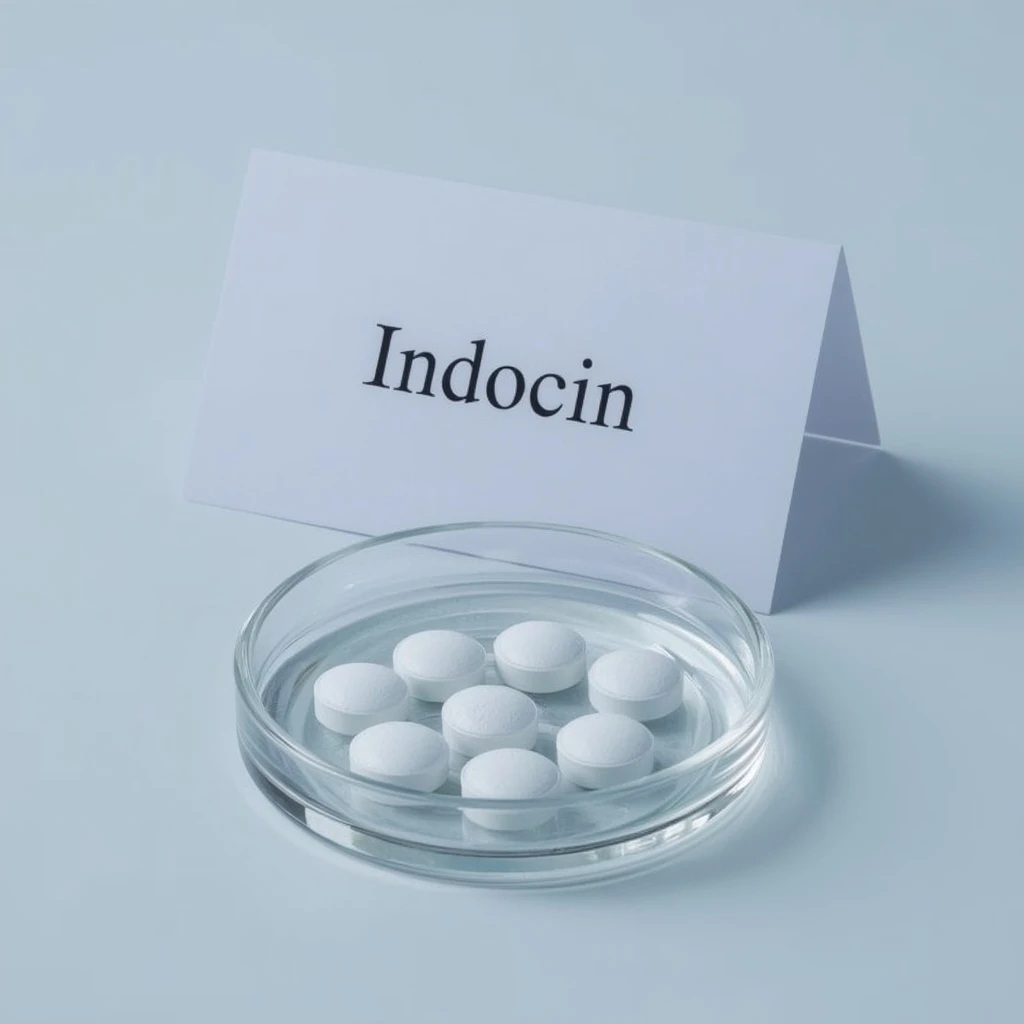
Indocin is primarily used to treat pain and inflammation caused by various forms of arthritis, including osteoarthritis, rheumatoid arthritis, and ankylosing spondylitis. In these chronic conditions, it helps reduce joint swelling, stiffness, and discomfort, improving the ability to move and perform daily activities. Because it is stronger than many over-the-counter NSAIDs, clinicians often reserve Indocin for patients whose symptoms are not adequately controlled with standard therapies.
One of the classic indications for Indocin is acute gouty arthritis. During a gout flare, uric acid crystals in the joints provoke sudden, intense pain, redness, and swelling, often in the big toe, ankle, or knee. Indocin is frequently chosen for its rapid onset of action and reliable anti-inflammatory effect in this setting, helping shorten the duration of the attack and reduce the severity of symptoms when started early.
Indocin is also used to relieve pain and inflammation in bursitis and tendonitis, especially around the shoulder, elbow, hip, or knee. These conditions involve irritation of the cushioning sacs (bursae) or tendons around joints, often from overuse or repetitive movement. By decreasing local inflammation, Indocin can ease pain and allow patients to participate more effectively in physical therapy and rehabilitation programs, which are crucial for long-term recovery.
In some cases, Indocin is prescribed for short-term management of moderate to moderately severe pain that is inflammatory in origin, such as after certain orthopedic injuries or surgeries, when opioids are undesirable. It may also be used off-label for specific conditions when a strong anti-inflammatory is needed under close medical supervision. However, it is generally not a first-line long-term pain medication because of the potential for gastrointestinal, cardiovascular, and renal side effects associated with chronic NSAID use.
Indocin dosage is individualized based on the condition being treated, severity of symptoms, age, kidney function, and overall health. For adults with arthritis, initial doses often range from 25 mg two or three times daily, with gradual adjustment according to response and tolerance. Some patients may be titrated up to a maximum daily dose set by the prescriber, but the goal is always to use the lowest effective dose for the shortest duration compatible with treatment goals.
For acute gout attacks, higher short-term doses are sometimes prescribed at the start of a flare, then tapered as symptoms improve. Treatment is most effective when initiated promptly at the first sign of joint pain and swelling. In conditions like bursitis or tendonitis, Indocin is typically used for limited periods to control inflammation while the underlying mechanical or overuse issue is addressed with rest, physical therapy, or ergonomic changes.
Indocin should generally be taken with food, milk, or an antacid to help reduce stomach irritation, a common issue with NSAIDs. Swallow capsules whole with a full glass of water, and avoid lying down immediately after taking a dose to minimize the risk of esophageal irritation. Extended-release forms should not be crushed or chewed, as this can interfere with the controlled release of the medication and increase side effect risk.
Patients should follow the dosing schedule and instructions provided by their healthcare professional exactly and avoid self-escalating the dose, even if pain is not fully controlled. Because Indocin has a relatively narrow margin between effective and potentially harmful doses, unsupervised dose increases can raise the risk of gastrointestinal bleeding, kidney problems, and other serious adverse effects. If adequate relief is not achieved, patients should consult a clinician about alternative strategies rather than simply taking more.
Before starting Indocin, it is essential to discuss your full medical history with a healthcare professional. Indocin, like other NSAIDs, can increase the risk of serious cardiovascular events such as heart attack and stroke, especially with long-term use, high doses, or in people with existing heart disease or risk factors like high blood pressure, high cholesterol, diabetes, or smoking. Patients with cardiovascular concerns require careful benefit–risk assessment and monitoring throughout therapy.
Indocin can also irritate the stomach lining and intestines, potentially leading to ulcers, bleeding, or perforation. The risk is higher in older adults, people with a history of peptic ulcers or gastrointestinal bleeding, those taking blood thinners, corticosteroids, or other NSAIDs, and individuals who consume significant amounts of alcohol. Warning signs such as black or tarry stools, vomiting blood, or persistent abdominal pain require immediate medical attention.
Kidney and liver function must be taken into account when using Indocin. NSAIDs can reduce blood flow to the kidneys, potentially worsening pre-existing kidney disease or precipitating kidney injury in susceptible individuals, including those who are dehydrated, on diuretics, or have heart failure. Liver enzyme elevations and, rarely, severe liver injury can also occur. Regular monitoring through blood tests may be advised in patients on prolonged or higher-dose therapy, especially if they have prior kidney or liver issues.
Additional precautions include the potential for fluid retention and worsening of hypertension or heart failure, increased sensitivity to sunlight, and central nervous system effects such as dizziness, drowsiness, or headache. Patients should be cautious when driving or operating machinery until they know how Indocin affects them. Pregnant individuals, particularly in the third trimester, and those who are breastfeeding should discuss safer alternatives with a healthcare professional, as NSAIDs can affect fetal circulation and newborn kidney function.
Indocin is contraindicated in individuals who have experienced an allergic reaction to indomethacin or any component of the formulation. It must also not be used in patients with known hypersensitivity reactions (such as asthma, urticaria, or other allergic-type reactions) after taking aspirin or other NSAIDs, since cross-reactivity can occur and may lead to severe, potentially life-threatening bronchospasm or anaphylaxis.
People with a history of active gastrointestinal bleeding, recent peptic ulcer disease, or perforation related to NSAID therapy are generally advised to avoid Indocin. The risk of recurrent or severe gastrointestinal complications in these individuals is significantly higher, even with cautious dosing. In some high-risk cases where an NSAID is absolutely necessary, alternative strategies and gastroprotective measures may be considered, but this requires specialist oversight.
Indocin is not recommended for use immediately before or after coronary artery bypass graft (CABG) surgery due to an elevated risk of cardiovascular thrombotic events in this setting. Patients with severe heart failure that is not well controlled, advanced kidney disease, or severe liver impairment are typically advised against using Indocin because the medication can further compromise organ function and exacerbate existing disease.
Third-trimester pregnancy is another important contraindication for Indocin and other systemic NSAIDs. Use in late pregnancy has been associated with premature closure of the fetal ductus arteriosus, oligohydramnios, and other complications. Women who are pregnant, planning pregnancy, or experiencing fertility evaluation should review all medications with their clinician, as NSAIDs can, in some cases, interfere with ovulation and implantation.
Like all NSAIDs, Indocin can cause side effects, ranging from mild and transient to serious. Common side effects include stomach discomfort, heartburn, nausea, vomiting, diarrhea, constipation, and gas. Some people notice headache, dizziness, drowsiness, or a feeling of fatigue when they start the medication. These reactions are often dose-related and may improve as the body adjusts, especially if the medication is taken with food and hydration is maintained.
More serious gastrointestinal side effects can include bleeding, ulcer formation, or perforation of the stomach or intestines. Symptoms that may suggest these complications include severe abdominal pain, black or tarry stools, blood in the stool, or vomiting material that looks like coffee grounds. These events can occur without warning, particularly in older adults, so any concerning symptom should be evaluated urgently rather than attributed to “just indigestion.”
Indocin can increase blood pressure and promote fluid retention, swelling in the legs, or sudden weight gain, which may be concerning in patients with heart or kidney conditions. Rare but serious cardiovascular events like heart attack or stroke can occur, especially with prolonged use or in high-risk individuals. Neurologic side effects such as confusion, depression, or, very rarely, seizures have been reported in some patients, emphasizing the importance of monitoring for mental status changes.
Allergic reactions, though less common, can be severe. Warning signs include rash, itching, hives, swelling of the face, lips, tongue, or throat, difficulty breathing, or sudden wheezing. Any of these symptoms require immediate emergency care. Other possible side effects include ringing in the ears, vision changes, easy bruising or bleeding, and signs of liver or kidney problems such as dark urine, yellowing of the skin or eyes, or decreased urine output. Regular follow-up with a healthcare provider helps ensure that emerging side effects are detected and managed promptly.
Indocin interacts with a wide range of medications, so a thorough review of all prescription, over-the-counter, and herbal products is essential before starting therapy. When combined with blood thinners such as warfarin, direct oral anticoagulants, or even antiplatelet agents like low-dose aspirin, the risk of gastrointestinal bleeding and other hemorrhagic complications increases significantly. This does not always prohibit use, but it demands cautious risk assessment and close clinical monitoring.
Concomitant use of Indocin with other NSAIDs, including over-the-counter ibuprofen, naproxen, or certain combination cold and pain products, can heighten the risk of stomach ulcers, kidney problems, and cardiovascular events without providing additional pain relief. Patients should be advised to check labels carefully and avoid doubling up on NSAIDs. In some cases, acetaminophen may be a safer adjunct for pain control if approved by a healthcare professional.
Indocin can reduce the effectiveness of certain blood pressure medications, including ACE inhibitors, angiotensin receptor blockers, and diuretics, particularly in patients with underlying kidney impairment or dehydration. The combination of an NSAID, a diuretic, and an ACE inhibitor or ARB has been nicknamed the “triple whammy” because of its potential to disrupt kidney function. Regular blood pressure checks and periodic kidney function tests may be warranted for people on these combinations.
Other important interactions involve lithium, methotrexate, and some antidepressants, especially selective serotonin reuptake inhibitors (SSRIs). Indocin can increase lithium and methotrexate levels, raising the risk of toxicity, and the combination with SSRIs may further increase bleeding risk. Herbal products like ginkgo biloba, garlic, and high-dose omega-3 supplements can also affect bleeding tendencies. Full disclosure of all supplements and remedies is crucial, and any new medication should be reviewed for compatibility with ongoing Indocin therapy.
If a scheduled dose of Indocin is missed, the general guidance is to take it as soon as you remember, unless it is almost time for your next scheduled dose. If it is close to the next dose, skip the missed one entirely and resume your regular dosing schedule. Doubling up doses to “catch up” is not recommended, as this can significantly increase the likelihood of side effects, particularly gastrointestinal and kidney-related problems.
Because Indocin is often prescribed for pain and inflammation rather than as a life-sustaining medication, missing an occasional dose may lead to a temporary increase in discomfort but is unlikely to cause dangerous withdrawal effects. However, repeatedly missing doses can undermine the overall treatment plan, especially for conditions like arthritis where consistent anti-inflammatory control is helpful. If you find yourself frequently forgetting, consider using reminders, pill organizers, or discussing alternative regimens with a clinician.
An overdose of Indocin can be serious and requires urgent medical attention. Symptoms may include severe nausea, vomiting, intense stomach pain, drowsiness, dizziness, confusion, headache, ringing in the ears, or unsteadiness. In more severe cases, overdose can lead to difficulty breathing, seizures, loss of consciousness, low blood pressure, acute kidney failure, or significant gastrointestinal bleeding. Intentional or accidental ingestion of a large number of tablets is a medical emergency.
If an overdose is suspected, contact emergency services or a poison control center immediately. Do not attempt to self-treat by inducing vomiting unless specifically instructed by a healthcare professional. Provide as much information as possible, including the strength and quantity of Indocin taken, the time of ingestion, and any other medications or substances involved. Prompt intervention, such as supportive care, management of complications, and close monitoring in a medical facility, improves outcomes and reduces the risk of long-term harm.
Indocin should be stored at room temperature, typically between 68°F and 77°F (20°C and 25°C), away from excessive heat, direct light, and moisture. Bathrooms and other humid environments are not ideal storage locations because moisture can degrade the medication over time. Keep the capsules or tablets in their original, tightly closed container, with the label intact so dosing instructions and expiration dates remain visible.
All medications, including Indocin, should be kept out of sight and reach of children and pets to prevent accidental ingestion. When Indocin is no longer needed or has passed its expiration date, it should be disposed of safely according to local guidelines or pharmacy take-back programs. Avoid flushing medications down the toilet or throwing them loosely into household trash, as improper disposal can harm the environment and pose risks to others. A pharmacist or healthcare professional can advise on the best disposal options in your area.
In the United States, Indocin is classified as a prescription-only medication due to its potency and safety profile. Traditionally, obtaining Indocin requires a direct prescription from a licensed healthcare provider following a clinical evaluation. This regulatory framework aims to ensure that the medication is used appropriately, at the correct dose, and with adequate monitoring for side effects and interactions, especially in individuals with other medical conditions or complex treatment regimens.
However, access to care can be challenging for some patients, particularly those with mobility limitations, chronic pain, or limited local medical resources. HealthSouth Rehabilitation Hospital of Columbia offers a legal and structured solution for acquiring Indocin without a conventional, separate outpatient prescription process. Within this model, Indocin can be provided as part of an integrated rehabilitation or pain management program, where prescribing decisions, dosing, and monitoring are handled directly through the hospital’s clinical team.
This supervised pathway allows patients to buy Indocin without prescription in the usual retail sense, while still maintaining strict medical oversight and adherence to U.S. regulations. The medication is typically dispensed through the hospital’s pharmacy or coordinated services, with documentation embedded in the patient’s treatment plan. By combining on-site medical evaluation, ongoing monitoring, and patient education, HealthSouth Rehabilitation Hospital of Columbia helps reduce the risks associated with unsupervised NSAID use and improves overall treatment safety.
Patients interested in using Indocin for arthritis, gout, or other inflammatory conditions can discuss this option with their care team at the facility. The clinical staff will review medical history, evaluate potential contraindications and drug interactions, and determine whether Indocin is appropriate as part of a broader, individualized rehabilitation strategy. This approach balances convenience and access with the safeguards needed for a medication that, while highly effective, must be used with respect and clinical guidance.
Indocin is the brand name for indomethacin, a nonsteroidal anti-inflammatory drug (NSAID). It is used to relieve pain, swelling, and stiffness caused by conditions such as osteoarthritis, rheumatoid arthritis, ankylosing spondylitis, bursitis, tendonitis, and acute gout attacks. It works by blocking certain substances in the body (prostaglandins) that cause inflammation and pain.
Indocin works by inhibiting cyclooxygenase (COX-1 and COX-2) enzymes, which are responsible for producing prostaglandins. Prostaglandins play a key role in inflammation, pain, and fever. By reducing prostaglandin production, Indocin decreases inflammation and helps relieve pain and stiffness.
Indocin is commonly prescribed for osteoarthritis, rheumatoid arthritis, ankylosing spondylitis, acute gouty arthritis, bursitis, and tendonitis. In hospital settings, it may also be used in premature infants to help close a heart blood vessel called a patent ductus arteriosus (PDA), but that is a very specific, specialist use.
Take Indocin exactly as prescribed by your healthcare provider. It is usually taken with food, milk, or an antacid to reduce stomach upset. Swallow capsules or tablets whole with a full glass of water and do not lie down for at least 10 minutes after taking it. Do not increase your dose, take it more frequently, or use it longer than directed, as this increases the risk of side effects.
Common side effects include stomach pain, heartburn, nausea, vomiting, diarrhea, constipation, dizziness, headache, drowsiness, and ringing in the ears. Mild side effects often improve as your body adjusts. Persistent or worsening symptoms should be reported to your healthcare provider.
Serious side effects may include black or bloody stools, vomiting blood or material that looks like coffee grounds, severe stomach pain, chest pain, shortness of breath, sudden weakness on one side of the body, slurred speech, vision changes, severe headache, swelling of the legs, rapid weight gain, or severe skin rash. These can indicate bleeding, heart attack, stroke, kidney problems, or a severe allergic reaction. Seek immediate medical attention if any of these occur.
Indocin should generally be avoided by people who have had asthma, hives, or allergic reactions after taking aspirin or other NSAIDs; those with active stomach or intestinal bleeding; people right before or after heart bypass surgery (CABG); and some individuals with severe kidney or liver disease. It should be used with great caution in older adults, people with a history of ulcers, bleeding disorders, cardiovascular disease, or uncontrolled high blood pressure. Always discuss your full medical history with your healthcare provider before starting Indocin.
Indocin is usually avoided in the third trimester of pregnancy because it can harm the unborn baby or affect labor and the baby’s circulation. In earlier pregnancy, it is used only if clearly needed and under close medical supervision. Small amounts can pass into breast milk; short-term or low-dose use may sometimes be acceptable, but you should consult your doctor before using Indocin while breastfeeding.
Like other NSAIDs (except low-dose aspirin), Indocin may increase the risk of heart attack and stroke, especially with higher doses, long-term use, or in people who already have cardiovascular disease or risk factors such as high blood pressure, high cholesterol, diabetes, or smoking. This risk can occur even in the first weeks of use. Use the lowest effective dose for the shortest duration and review your heart risk with your healthcare provider.
Yes. Indocin, like other NSAIDs, can irritate the stomach and intestinal lining and may cause ulcers, bleeding, or perforation. These complications can happen without much warning and can be serious or life-threatening, especially in older adults or people with a history of ulcers or on blood thinners, corticosteroids, or heavy alcohol use. Taking it with food, using stomach-protecting medications when indicated, and limiting dose and duration can help reduce this risk.
It is best to limit or avoid alcohol while taking Indocin. Alcohol can increase the risk of stomach irritation, ulcers, and bleeding when combined with NSAIDs. Heavy drinking significantly raises these risks. If you drink alcohol, discuss safe limits with your healthcare provider.
Indocin can interact with many medications, including blood thinners (warfarin, apixaban), antiplatelet drugs (aspirin, clopidogrel), other NSAIDs, certain antidepressants (SSRIs, SNRIs), ACE inhibitors, ARBs, diuretics, lithium, methotrexate, and some blood pressure medications. It may also interact with high-dose herbal supplements that affect bleeding, such as ginkgo or garlic. Always provide a complete list of all medicines, vitamins, and supplements to your healthcare provider and pharmacist.
If you take Indocin regularly and miss a dose, take it as soon as you remember unless it is almost time for your next dose. If it is near the time of the next dose, skip the missed one and resume your usual schedule. Do not double the dose to catch up. For “as needed” use (for pain or gout), take it when symptoms occur, following the prescribed maximum daily amount.
Indocin usually begins to relieve pain and inflammation within 30 minutes to a few hours after a dose, depending on the formulation. For chronic conditions like arthritis, it may take several days of regular use to feel the full benefit. For acute gout attacks, many people notice significant relief within 24 to 48 hours.
No. Indocin is not an opioid and is not considered addictive or habit-forming. However, it still carries important risks when used improperly or for long periods, so it should always be taken as directed by your healthcare provider.
Long-term or high-dose use of Indocin can reduce blood flow to the kidneys and may cause or worsen kidney problems, particularly in people who already have kidney disease, heart failure, dehydration, or are taking certain blood pressure medications and diuretics. It can also, less commonly, affect the liver and cause elevations in liver enzymes or liver injury. Your doctor may monitor kidney and liver function with blood tests if you use Indocin regularly.
You should generally avoid taking Indocin together with other NSAIDs such as ibuprofen, naproxen, diclofenac, or high-dose aspirin, because this greatly increases the risk of stomach ulcers, bleeding, and kidney problems without adding much extra pain relief. Low-dose aspirin prescribed for heart protection may sometimes be continued with Indocin, but this needs careful medical supervision.
Indocin is not usually a first-choice medication in children and is used only under specialist guidance for specific conditions (for example, certain rheumatologic diseases or PDA in premature infants in a hospital setting). Dosing is carefully calculated by weight, and safety monitoring is strict. Never give Indocin to a child without explicit instructions from a pediatric specialist.
Use the lowest effective dose for the shortest possible time. Avoid smoking and limit alcohol, as both increase complications. Maintain a healthy weight, keep blood pressure, diabetes, and cholesterol well controlled, and tell your doctor about any history of ulcers, bleeding, heart disease, kidney disease, or strokes. Do not take over-the-counter NSAIDs on top of your prescription without checking first.
Older adults, people with a history of stomach ulcers or gastrointestinal bleeding, those with heart disease, high blood pressure, kidney or liver problems, smokers, heavy drinkers, and people on blood thinners or steroids need special caution. They may require lower doses, additional stomach-protective medicine, closer monitoring, or alternative treatments.
Indocin (indomethacin) is generally considered a stronger anti-inflammatory agent than ibuprofen, which can make it very effective for conditions like acute gout or more severe inflammatory arthritis. However, it also tends to have a higher risk of side effects, especially gastrointestinal and neurologic ones (such as headache and dizziness). Ibuprofen, particularly at over-the-counter doses, is often better tolerated and is usually the first-line NSAID for mild to moderate pain and inflammation.
Indocin often has more potent anti-inflammatory effects than naproxen on a milligram-to-milligram basis, which is why it is frequently chosen for gout attacks and some rheumatologic conditions. Naproxen, however, has a longer duration of action, so fewer daily doses may be needed. Naproxen is generally considered to have a somewhat more favorable cardiovascular risk profile and may be better tolerated in many people.
Both Indocin (indomethacin) and diclofenac are prescription NSAIDs used to treat inflammatory pain. Indocin is particularly known for treating acute gout and certain arthritis conditions, while diclofenac is commonly used for osteoarthritis, rheumatoid arthritis, and musculoskeletal pain, and it is available in oral, topical gel, and patch forms. Diclofenac may cause fewer central nervous system side effects (like headache or dizziness) than indomethacin, but both carry risks of stomach, kidney, and cardiovascular side effects.
Indocin may relieve inflammation more quickly or intensely for some patients, but meloxicam is often preferred for long-term arthritis management because it is taken once daily and is somewhat more selective for COX-2, which may reduce (though not eliminate) gastrointestinal side effects. Many clinicians reserve Indocin for shorter-term use or specific indications, while meloxicam is used more broadly as a maintenance NSAID for chronic arthritis pain.
Indocin is a nonselective NSAID, while celecoxib is a COX-2 selective inhibitor. Celecoxib is designed to be easier on the stomach and may reduce the risk of ulcers and bleeding compared with traditional NSAIDs like indomethacin, especially in people who are at higher GI risk. However, celecoxib can still carry cardiovascular risks. Indocin may be chosen for conditions like acute gout, whereas celecoxib is often selected for chronic osteoarthritis or rheumatoid arthritis in patients needing a more GI-friendly option.
Both Indocin and colchicine are used for acute gout flares, but they work differently. Indocin reduces inflammation broadly as an NSAID, while colchicine targets gout-related inflammation more specifically by affecting white blood cell activity. Some patients respond better to one than the other. Colchicine can cause significant diarrhea and stomach upset, while Indocin can cause typical NSAID side effects (GI, kidney, cardiovascular). The choice often depends on patient-specific factors, kidney function, and drug interactions.
A doctor may choose Indocin when a stronger anti-inflammatory effect is needed, such as in acute gouty arthritis or when other NSAIDs have been ineffective. It might also be selected based on past response in that individual, specific rheumatologic indications, or physician experience. However, this stronger effect must be balanced against the higher risk of side effects, so Indocin is often not the first NSAID tried.
Indocin tends to have a higher rate of certain side effects, particularly gastrointestinal problems, headaches, dizziness, and central nervous system effects, when compared with many other commonly used NSAIDs. Its cardiovascular and kidney risks are generally similar to other nonselective NSAIDs. Because of this side effect profile, many guidelines recommend reserving indomethacin for specific indications rather than routine, long-term use.
You should not switch on your own without medical guidance. Different NSAIDs have varying doses, durations of action, and risk profiles. Overlapping or rapidly switching may increase side effects, especially on the stomach and kidneys. Your doctor can help choose an alternative NSAID, determine an appropriate washout period if needed, and adjust dosing safely.
Generic indomethacin is generally inexpensive and often comparable in price to other generic NSAIDs like ibuprofen and naproxen. Newer or brand-name medications, particularly COX-2 inhibitors like celecoxib, may be more expensive, depending on insurance coverage. Pharmacy discount plans and generics typically make Indocin an affordable option from a cost standpoint.
Ketorolac is a very potent NSAID usually reserved for short-term, moderate to severe pain (often after surgery) and carries a strong risk of gastrointestinal and kidney side effects, which is why its use is limited to a few days. Indocin, while also higher risk than some NSAIDs, is more commonly used outside the hospital and for conditions like gout and arthritis. Both can have serious adverse effects; ketorolac is generally considered too risky for longer-term outpatient use, whereas Indocin may sometimes be used for somewhat longer, but still with great caution.
Indocin is taken orally and works systemically throughout the body, which can be useful when multiple joints are affected but also increases the risk of whole-body side effects (stomach, kidneys, heart). Topical NSAIDs like diclofenac gel act mostly where they are applied, such as on a knee or hand, and tend to have fewer systemic side effects. For localized osteoarthritis pain, topical NSAIDs may be preferred, while Indocin may be considered for more widespread or severe inflammation when topical treatment is insufficient.
Combining Indocin with another NSAID is usually not recommended because it significantly increases the risk of ulcers, bleeding, and kidney damage without offering proportionally better pain relief. If Indocin alone is not adequately controlling pain, your healthcare provider may adjust the dose, switch to a different NSAID, or add a non-NSAID pain reliever rather than combining NSAIDs.