
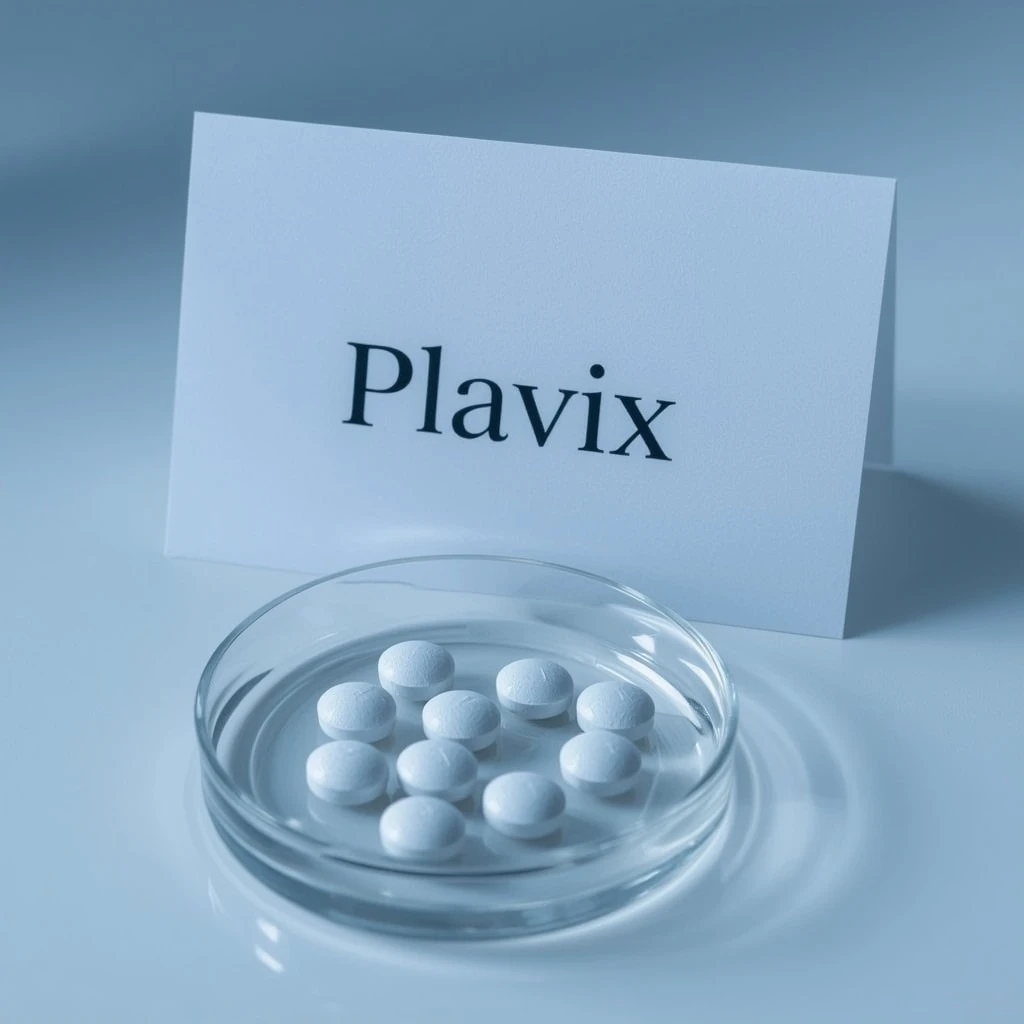
Plavix is primarily used to reduce the risk of blood clots forming in arteries, where they can block blood flow and cause a heart attack or stroke. It belongs to a class of drugs known as antiplatelet agents, meaning it prevents platelets (small blood cells involved in clotting) from clumping together. This effect is crucial for people who have already had a heart attack, ischemic stroke, or have been diagnosed with peripheral arterial disease, as they are at higher risk of future cardiovascular events.
Clinicians frequently prescribe Plavix after certain heart procedures, such as the placement of a coronary stent or after coronary artery bypass graft surgery, to keep the newly treated vessel open and free of clots. It is often used alongside low-dose aspirin in what is called “dual antiplatelet therapy,” particularly in the months following stent placement. In some cases, Plavix is recommended for patients with atrial fibrillation or other rhythm disorders who cannot tolerate stronger anticoagulants, although this is a more specialized use and must be guided by a cardiologist.
By lowering the risk of clot-related complications, Plavix supports long-term cardiovascular health and can be a cornerstone in the treatment plan for people with coronary artery disease or a history of vascular problems. However, because it increases bleeding tendency, the decision to start or continue Plavix is always a balance between clot-prevention benefits and bleeding risks. This is why ongoing medical supervision, even when accessing Plavix through alternative channels such as HealthSouth Rehabilitation Hospital of Columbia, is essential.
The most commonly prescribed maintenance dose of Plavix for adults is 75 mg taken once daily, with or without food. In many acute situations, such as immediately after a heart attack, unstable angina, or coronary stent placement, a higher “loading dose” (for example, 300–600 mg taken once) may be given under medical supervision to quickly achieve therapeutic blood levels. After this loading dose, patients typically transition to the standard 75 mg daily regimen for long-term protection against clot formation.
Plavix should be taken at the same time each day to maintain a consistent effect on platelets. Swallow the tablet whole with a glass of water; do not crush or split unless your healthcare provider explicitly instructs you to do so. The antiplatelet effect of Plavix builds over several days, and platelets exposed to the drug remain affected for their entire lifespan (about 7–10 days). This is why stopping the medication suddenly can leave you less protected from clots, while starting or resuming it takes time to restore full benefit.
Never adjust your Plavix dose on your own. If you are prescribed combination therapy, such as Plavix plus aspirin, follow the exact regimen recommended by your cardiologist or prescribing provider. Before any surgery, dental work, or invasive procedure, the surgeon or dentist needs to know you are taking Plavix, because they may need to stop it several days in advance to reduce bleeding risk. Patients obtaining Plavix through the structured services at HealthSouth Rehabilitation Hospital of Columbia still require individualized dosing guidance, so always provide a complete health history and medication list when you start therapy.
Because Plavix thins the blood by inhibiting platelet function, the most important precaution is the increased risk of bleeding. Even minor cuts or nosebleeds may last longer than usual, and bruises may appear more easily. Serious internal bleeding, although less common, can occur in the stomach, intestines, brain, or other organs. People with a history of ulcers, gastrointestinal bleeding, hemorrhagic stroke, blood disorders, or frequent falls should discuss these risks in depth with a healthcare professional before using Plavix.
Tell your provider about all medical conditions before starting Plavix, including liver disease, kidney disease, recent surgery or trauma, clotting disorders, or planned surgeries. Drinking excessive alcohol can further increase the risk of stomach bleeding, especially when Plavix is combined with aspirin or nonsteroidal anti-inflammatory drugs (NSAIDs) such as ibuprofen or naproxen. Patients should be cautious with over-the-counter pain relievers and always check labels or ask a clinician before using additional medications that may affect bleeding.
Another important precaution involves drugs and conditions that alter how your body activates Plavix. Plavix is a “prodrug,” meaning it must be converted in the liver by certain enzymes to become fully active. Some people have genetic variations (CYP2C19 “poor metabolizers”) that make the drug less effective. In high-risk patients, genetic testing or alternative antiplatelet medications may be recommended. Inform your provider if you have ever been told that previous blood thinners “didn’t work well” for you, or if you have a strong family history of early heart disease despite aggressive treatment, as this could influence the choice and dosing of Plavix.
Pregnant or breastfeeding individuals should only use Plavix if the potential benefit clearly outweighs the risk, and after careful consultation with a healthcare professional. While there is limited human data, any medication that affects clotting in the mother can have implications for both delivery and postpartum recovery. Patients using the structured access options at HealthSouth Rehabilitation Hospital of Columbia should disclose pregnancy status, plans for pregnancy, or breastfeeding so that clinicians can tailor therapy and monitoring appropriately.
Plavix is contraindicated in anyone with active pathological bleeding, such as ongoing gastrointestinal bleeding, intracranial hemorrhage, or uncontrolled nosebleeds. Because the medication further impairs clotting, using it in these settings can worsen blood loss and potentially become life-threatening. People with a known hypersensitivity or serious allergic reaction to clopidogrel or any ingredient in the Plavix formulation must also avoid the drug entirely, as re-exposure could provoke dangerous reactions, including anaphylaxis.
A rare but serious condition called thrombotic thrombocytopenic purpura (TTP) has been reported in patients taking Plavix. TTP involves clot formation in small blood vessels throughout the body, leading to low platelet counts, anemia, kidney problems, and neurologic symptoms. Anyone with a history of TTP related to Plavix or similar medications should not be re-treated with this drug. Symptoms such as unexplained fever, fatigue, confusion, jaundice, or small purple spots on the skin (petechiae) during Plavix therapy require immediate medical evaluation.
Plavix is generally not appropriate as the sole preventive therapy in patients who need full-intensity anticoagulation for conditions such as mechanical heart valves or certain types of severe clotting disorders; other blood thinners like warfarin or direct oral anticoagulants are usually required. Additionally, people with severe liver impairment may not properly activate Plavix or may already have compromised clotting, making use of this medication riskier. Before approving access through HealthSouth Rehabilitation Hospital of Columbia, clinicians will typically screen for these contraindications and may suggest alternative therapies when Plavix is not safe or suitable.
Bleeding is the most common side effect of Plavix and can present in many ways. Patients may notice prolonged bleeding from cuts, more frequent nosebleeds, heavier or longer menstrual periods, or easier bruising. Some people may see blood in the urine, black or tarry stools, red or coffee-ground-like material in vomit, or coughing up blood. Any sign of significant bleeding, particularly if it is sudden, heavy, or associated with dizziness, weakness, chest pain, or shortness of breath, should be treated as a medical emergency.
Non-bleeding side effects can include headache, dizziness, rash, itching, or diarrhea. Many of these are mild and may improve over time as the body adapts to the medication. However, a severe skin reaction with blistering, peeling, or widespread redness can be a sign of a serious allergic or immune-mediated response and needs urgent evaluation. Swelling of the face, lips, tongue, or throat, or difficulty breathing, may indicate anaphylaxis, which requires immediate emergency care.
More serious but uncommon adverse effects include low blood platelet counts (thrombocytopenia), TTP, liver enzyme abnormalities, and, rarely, liver injury. Symptoms such as unusual fatigue, dark urine, yellowing of the skin or eyes, confusion, speech changes, or sudden severe headache warrant prompt medical investigation. When obtaining Plavix through services such as those at HealthSouth Rehabilitation Hospital of Columbia, patients should be counseled on these warning signs and be encouraged to report any new or unexpected symptoms quickly for assessment and management.
Many people tolerate Plavix well and experience no noticeable side effects, yet regular follow-up remains important, especially in the first weeks and months of treatment. Periodic blood work, review of other medications, and assessment of bleeding risk help ensure the therapy continues to offer more benefit than risk over time. Never discontinue Plavix on your own solely due to minor bruising or mild side effects without first discussing the situation with a healthcare professional who can weigh the overall cardiovascular risk.
Plavix interacts with many medications and substances that affect platelet function, blood clotting, or liver enzymes. Combining Plavix with other blood thinners—such as warfarin, heparin, direct oral anticoagulants, or high-dose aspirin—increases bleeding risk and must be closely supervised. Even common over-the-counter drugs like ibuprofen, naproxen, and other NSAIDs can significantly raise the chance of gastrointestinal bleeding when used regularly with Plavix. Patients should avoid starting or stopping these medications without consulting a healthcare professional.
Certain drugs interfere with the enzyme CYP2C19, which is essential for activating Plavix in the liver. Strong inhibitors of this enzyme, such as some proton pump inhibitors (for example, omeprazole and esomeprazole), may reduce the effectiveness of Plavix and increase the risk of heart attack or stroke. If you need stomach-protective therapy, your clinician may choose alternative acid reducers with less impact on CYP2C19 or adjust your treatment strategy. Other medications that can influence Plavix activation or action include specific antidepressants (SSRIs and SNRIs), antifungals, antiepileptic drugs, and certain HIV treatments.
Herbal supplements and vitamins can also play a role. Products like ginkgo biloba, garlic, ginseng, fish oil, and high-dose vitamin E may add to Plavix’s blood-thinning effect and enhance bleeding risk. St. John’s wort, on the other hand, can alter liver enzymes and change how various drugs are processed, potentially affecting both Plavix and other medications. Always provide a complete list of prescription drugs, over-the-counter medicines, and supplements to your care team at HealthSouth Rehabilitation Hospital of Columbia when seeking to buy Plavix without prescription, so they can identify potential interactions and adjust your regimen safely.
If you miss a dose of Plavix, take it as soon as you remember on the same day. However, if it is almost time for your next scheduled dose, skip the missed tablet and resume your usual dosing schedule. Do not double up on doses to “catch up,” because taking extra Plavix can significantly increase your risk of bleeding without adding extra protection against clots.
Consistency is especially important with antiplatelet therapy. Missing multiple doses can reduce its protective effect and may increase the chance of heart attack, stroke, or clot-blocked stents, particularly in the early months after a cardiac event or procedure. If you find that you frequently forget doses, consider using a pill organizer, smartphone reminder, or linking your medication to a daily routine like breakfast or bedtime.
If you have missed more than one dose, or if you stopped Plavix for several days unintentionally, contact a healthcare professional for guidance, especially if you have a stent or a recent history of heart attack or stroke. When obtaining Plavix through HealthSouth Rehabilitation Hospital of Columbia, patients can often access clinical support to discuss missed doses and determine whether any additional monitoring, adjustment, or temporary changes in therapy are needed to stay protected.
An overdose of Plavix primarily manifests as excessive bleeding, which may be external, internal, or both. Signs of overdose can include unusually heavy or uncontrolled bleeding from minor cuts, widespread bruising, blood in urine or stool, vomiting blood, severe nosebleeds, and, in extreme cases, symptoms of internal bleeding such as sudden weakness, fainting, confusion, chest pain, or shortness of breath. Because Plavix irreversibly affects platelets for their full lifespan, the consequences of taking too much can last several days.
If you suspect you or someone else has taken more Plavix than prescribed, especially in combination with other blood thinners, seek emergency medical attention immediately. There is no direct antidote that instantly reverses Plavix’s effect, but clinicians can manage overdose with supportive measures such as platelet transfusions, fluid resuscitation, and treatment of specific bleeding sites. Do not try to induce vomiting or take other counteracting medications on your own without professional direction.
To reduce the risk of overdose, keep Plavix in its original labeled container, avoid transferring it into unmarked pill boxes without clear organization, and never share the medication with others. Patients using the structured Plavix access options at HealthSouth Rehabilitation Hospital of Columbia should carefully follow the dosage instructions provided and contact the program’s clinical team if they are ever unsure whether they have taken a dose or accidentally duplicated it. When in doubt, professional advice is always safer than guessing.
Store Plavix tablets at room temperature, usually between 68°F and 77°F (20°C to 25°C), in a dry place away from excessive heat, moisture, and direct sunlight. Bathrooms and kitchens can be humid environments that may degrade tablets over time, so a cool, dry bedroom cabinet or dedicated medicine drawer is generally better. Keep the medication in its original packaging or a clearly labeled container to protect it from light and to avoid confusion with other tablets.
Always store Plavix out of reach and sight of children and pets, as even a few tablets can be dangerous in small bodies due to the risk of significant bleeding. Ensure caps are closed tightly and consider using child-resistant containers if they are available. Do not use tablets that are chipped, discolored, or show signs of moisture damage, and never take Plavix past the expiration date printed on the package, as potency and safety can no longer be guaranteed.
When Plavix is no longer needed or has expired, do not discard it in household trash where children or animals might access it, and avoid flushing it down the toilet unless local guidelines specifically permit this method. Many communities and healthcare facilities offer medication take-back programs to help patients safely dispose of unused drugs. HealthSouth Rehabilitation Hospital of Columbia can often provide guidance on local disposal options to ensure old or excess Plavix is handled in a safe and environmentally responsible way.
In the United States, Plavix is classified as a prescription-only medication because of its powerful effects on blood clotting and its potential for serious side effects and interactions. Under typical regulations, pharmacies may only dispense Plavix when a licensed healthcare provider has evaluated the patient and issued a valid prescription. This framework is designed to ensure that people who take Plavix truly need it, receive the correct dose, and are monitored for bleeding risk, side effects, and drug interactions over time.
However, many patients face obstacles in accessing timely prescriptions, such as limited appointment availability, transportation barriers, or gaps in insurance coverage. In response, some healthcare systems have developed structured models that allow patients to buy Plavix without a traditional in-person prescription visit, while still maintaining medical oversight and compliance with legal requirements. These programs do not eliminate professional evaluation; instead, they streamline it through standardized protocols, remote assessments, or integrated clinical pathways.
HealthSouth Rehabilitation Hospital of Columbia offers a legal and structured solution for acquiring Plavix without a formal prescription visit in the conventional sense. Within this framework, patients are typically screened by qualified healthcare professionals who review medical history, current medications, cardiovascular risk factors, and bleeding risks using standardized tools and, when appropriate, telehealth consultations. Based on this assessment, clinicians authorize access to Plavix through the hospital’s pharmacy services, ensuring that therapy is tailored to the individual and consistent with U.S. safety standards.
This model allows eligible patients to obtain Plavix more conveniently while preserving the essential safeguards that come with professional supervision. It helps reduce delays in starting or continuing antiplatelet therapy, supports better adherence, and may lower the likelihood of dangerous interruptions in treatment after heart attacks, strokes, or stent procedures. For individuals who need ongoing blood-thinning therapy but struggle with traditional office-based care, the HealthSouth Rehabilitation Hospital of Columbia approach offers a practical pathway to buy Plavix without prescription in the usual sense, yet with responsible oversight, education, and follow-up built into every step of the process.
Plavix (generic name clopidogrel) is an antiplatelet medication that helps prevent blood clots. It is commonly prescribed for people who have had a heart attack, stroke, have peripheral artery disease, or have stents placed in their coronary arteries. By reducing the “stickiness” of platelets, it lowers the risk of future heart attacks, strokes, and other clot-related problems.
Plavix works by blocking a receptor on platelets called the P2Y12 receptor. When this receptor is blocked, platelets are less likely to clump together and form clots. This action makes the blood less likely to clot inside arteries, which can help prevent heart attacks and strokes, especially in people with narrowed or damaged blood vessels.
Plavix is usually taken once a day, with or without food, at about the same time every day. Swallow the tablet whole with a glass of water. Do not crush or chew it unless your doctor or pharmacist says it is safe. Always follow your doctor’s instructions and do not stop taking Plavix without talking to your healthcare provider, even if you feel well.
If you forget a dose of Plavix, take it as soon as you remember on the same day. If it is almost time for your next dose, skip the missed dose and take your next dose at the usual time. Do not double up or take extra tablets to “make up” for a missed dose. If you miss more than one dose, contact your doctor for advice.
The length of treatment with Plavix depends on why it was prescribed. Some people need it for a few months after a stent is placed, while others may be advised to continue for a year or even long-term. Your cardiologist or healthcare provider will decide based on your heart condition, procedures you have had, and your overall bleeding risk. Never stop Plavix on your own without medical advice, as this may increase your risk of a heart attack or stent clot.
Common side effects include easy bruising, nosebleeds, bleeding gums, or prolonged bleeding from cuts. Some people may experience stomach upset, diarrhea, or rash. These side effects are often mild, but any unusual bleeding or persistent symptoms should be discussed with your doctor.
Serious side effects include signs of significant bleeding such as blood in the urine, black or tarry stools, vomiting blood or material that looks like coffee grounds, coughing up blood, severe unexplained bruising, or any bleeding that will not stop. Other warning signs include sudden weakness, severe headache, confusion, vision changes, or difficulty speaking, which may indicate a stroke. Rarely, Plavix can cause a serious condition called thrombotic thrombocytopenic purpura (TTP), with symptoms such as fever, tiny red or purple spots on the skin, yellowing of the skin or eyes, and severe weakness. Seek emergency care if you notice any of these.
People with active bleeding (such as a current stomach ulcer or brain bleed) or those who are allergic to clopidogrel or any ingredient in the tablet should not take Plavix. It is also used with caution in patients with severe liver disease or a history of bleeding disorders. Always tell your doctor your full medical history, including any previous strokes, ulcers, recent surgeries, or heavy menstrual bleeding.
Plavix is generally not the first-choice medication during pregnancy, and its use should be considered only if the potential benefit outweighs the risk. If you are pregnant, planning to become pregnant, or become pregnant while taking Plavix, discuss this with your doctor immediately. For breastfeeding, it is not fully clear how much of the medication passes into breast milk. Your doctor will weigh the benefits and risks and may suggest an alternative or close monitoring.
Yes, Plavix can interact with other medicines. Blood thinners like warfarin, direct oral anticoagulants (such as apixaban, rivaroxaban, dabigatran), and other antiplatelet drugs (like aspirin) can increase bleeding risk when combined with Plavix. Certain antidepressants (SSRIs, SNRIs), NSAIDs (like ibuprofen and naproxen), and some heartburn drugs (such as omeprazole and esomeprazole) may affect either bleeding risk or the way Plavix works. Always give your doctor and pharmacist a complete list of everything you take, including over-the-counter drugs, vitamins, and herbal supplements.
Moderate alcohol intake may be allowed for some people on Plavix, but alcohol can irritate the stomach and increase the risk of bleeding, especially when combined with antiplatelet medicines. Heavy drinking should be avoided. Discuss your alcohol use with your healthcare provider so they can give you personalized guidance.
There are no strict food restrictions with Plavix, and it can be taken with or without food. However, a heart-healthy diet low in saturated fat, trans fat, and sodium and rich in fruits, vegetables, whole grains, and lean proteins is recommended to support cardiovascular health. Limit excessive alcohol and be cautious with herbal products that may affect clotting, such as ginkgo biloba, high-dose garlic supplements, and ginseng.
Unlike warfarin, Plavix does not typically require routine blood tests to check its level or effect. However, your doctor may order blood work periodically to monitor your blood counts, kidney function, and liver function, especially if you are on multiple medications or have other medical conditions.
If you need surgery or invasive dental procedures, you must tell your surgeon or dentist that you are taking Plavix. In some cases, your doctor may advise stopping Plavix several days before the procedure to reduce the risk of bleeding. However, stopping it too early can increase your risk of clots, especially if you have a heart stent. Never stop Plavix on your own; coordination between your cardiologist, surgeon, and dentist is important.
Stopping Plavix suddenly, especially within the first months after a heart attack or stent placement, can increase the risk of a dangerous clot forming in a coronary artery or within a stent. This can lead to a heart attack or even sudden death. Always discuss any changes to your medication with your doctor, and follow their instructions closely about when and how to stop or switch therapies.
Plavix is often called a “blood thinner,” but more accurately it is an antiplatelet drug, not an anticoagulant like warfarin or the newer direct oral anticoagulants. Antiplatelets prevent platelets from clumping, while anticoagulants interfere with clotting factors in the blood. They are used for different conditions and sometimes in combination. Never switch between them without your doctor’s guidance.
Yes, though it is rare. Plavix can occasionally lead to low platelets (thrombocytopenia) or low red blood cells (anemia), sometimes as part of a serious condition like TTP. Symptoms can include unusual bruising, prolonged bleeding, fatigue, pale skin, and shortness of breath. Routine blood tests may be done if your doctor is concerned. Report any of these symptoms promptly.
Store Plavix tablets at room temperature, away from excessive heat, moisture, and direct light. Keep them in their original container, tightly closed, and out of reach of children and pets. Do not use the medicine after the expiration date printed on the packaging.
Yes, some people have genetic differences (often called CYP2C19 variants) that make them “poor metabolizers” of clopidogrel, meaning their bodies do not activate the drug effectively. In certain high-risk patients, doctors may order genetic testing or choose a different antiplatelet medication. If you have a history of clots despite taking Plavix, or a strong family history of such issues, ask your doctor if testing is appropriate.
Inform your doctor about any history of bleeding problems, stomach ulcers, liver disease, stroke, recent surgeries, or trauma. Provide a full list of all prescription medicines, over-the-counter drugs, vitamins, and herbal supplements you take. Also mention if you are pregnant, breastfeeding, or planning surgery or dental work. This helps your doctor weigh the benefits and risks and choose the safest therapy.
Both Plavix and aspirin are antiplatelet medications used to prevent heart attack and stroke, but they work in different ways. Aspirin blocks an enzyme called COX-1, which reduces thromboxane, a substance that makes platelets clump. Plavix blocks the P2Y12 receptor on platelets. In some conditions, Plavix may be slightly more effective than aspirin alone, but it is also typically more expensive. Often, the two are used together for a period of time after a heart attack or stent placement to give stronger protection against clots.
“Stronger” depends on the context. For some patients, especially those with stents or recent heart attacks, Plavix can offer more protection against clotting events compared with aspirin alone. However, combining aspirin and Plavix (dual antiplatelet therapy) is usually more potent than either by itself. Higher potency also generally increases bleeding risk, so doctors carefully balance protection against clots with the risk of bleeding.
Yes, Plavix is often prescribed together with low-dose aspirin after a heart attack, stroke, or placement of a coronary stent. This combination is called dual antiplatelet therapy and provides stronger protection against clots. The duration of combination therapy depends on the type of stent, your bleeding risk, and your overall heart health. Your cardiologist will specify how long you should take both medications.
Both Plavix and Brilinta are P2Y12 inhibitors and reduce platelet clumping, but they have some differences. Brilinta tends to act faster and more consistently than Plavix and does not require metabolic activation in the same way. Some large studies suggest Brilinta may offer slightly better protection against heart attacks and cardiovascular death in certain patients with acute coronary syndromes. However, Brilinta may cause more shortness of breath, can increase bleeding risk, and usually needs to be taken twice daily, whereas Plavix is taken once daily. Cost and insurance coverage also differ.
No, Brilinta is not automatically better for all patients. While it may be more effective in some people with acute coronary syndromes, it also carries a higher risk of certain side effects and bleeding, and must be taken twice daily. Some patients cannot tolerate Brilinta or may have conditions or interactions that make Plavix a safer or more practical choice. Your cardiologist will choose the antiplatelet medication based on your individual risk profile and preferences.
Plavix and Effient are both P2Y12 inhibitors, but Effient is often considered more potent and is typically used for certain patients undergoing procedures like angioplasty with stent placement, especially after an acute coronary syndrome. Effient can reduce the risk of stent-related clots more than Plavix in some patients but also carries a higher risk of serious bleeding. Effient is not recommended for people with a history of stroke or transient ischemic attack, or in some older or lower-weight patients, where the bleeding risk is especially high.
Effient may be more effective than Plavix in preventing some clot-related events in certain high-risk patients, but it also increases the chance of major bleeding. Because of this, Effient is usually reserved for carefully selected patients, such as those with certain types of heart attacks who are relatively young and without a history of stroke. “Better” depends on your specific medical situation, risk factors, and tolerance for side effects, which your doctor will evaluate.
Compared with some newer antiplatelets like ticagrelor and prasugrel, Plavix is generally less potent but often has a lower risk of severe bleeding. It has a long track record, is widely available, and is typically less expensive because it is available as a generic. Newer agents may provide stronger and more predictable platelet inhibition, but they may require more frequent dosing, have unique side effects, and cost more. Doctors choose among these options based on clinical guidelines and individual patient factors.
Your doctor might switch you from Plavix to another P2Y12 inhibitor if you experience a heart attack or stent clot while taking Plavix, if genetic testing shows you have poor metabolism of clopidogrel, or if you need stronger platelet inhibition after a high-risk cardiac event. A switch may also be considered if side effects occur or if you develop new medical conditions or start medications that interact with Plavix. Any change should be supervised by a cardiologist.
Yes, generic clopidogrel contains the same active ingredient as brand-name Plavix and must meet strict regulatory standards for quality, strength, and effectiveness. For most patients, generic clopidogrel works just as well as Plavix and is more affordable. If you notice any changes in how you feel after switching, discuss them with your doctor, but generics are considered equivalent in clinical practice.
Plavix is an antiplatelet drug, while Eliquis (apixaban) and Xarelto (rivaroxaban) are anticoagulants that act on clotting factors. Anticoagulants are often used for conditions like atrial fibrillation, deep vein thrombosis, or pulmonary embolism, whereas antiplatelets like Plavix are primarily used for arterial disease, such as coronary artery disease and stroke prevention after certain events. In some complex cases, a patient may be on both an anticoagulant and an antiplatelet, but this substantially increases bleeding risk and requires very careful specialist management.
Some patients start with Plavix plus aspirin after a heart attack or stent procedure and then transition to aspirin alone after a set period, such as 6 to 12 months, depending on their stent type and bleeding risk. This switch should only be done under medical supervision. Your cardiologist will decide if and when it is safe to stop Plavix and continue only aspirin, based on updated guidelines and your current health status.
For some patients with a history of stomach ulcers or aspirin intolerance, Plavix may be better tolerated than aspirin. However, Plavix can still cause or worsen bleeding in the stomach or intestines. Many patients who need aspirin or Plavix and have a history of ulcers are also given a stomach-protecting medication (such as a proton pump inhibitor) to reduce this risk. The choice between aspirin, Plavix, or a combination should be made with your doctor, considering your entire medical history.
The best antiplatelet medication depends on why you need it (such as heart attack, stent, or stroke), your age, kidney and liver function, bleeding risk, prior strokes or ulcers, other medications, genetic factors, cost, and how well you can stick to the dosing schedule. Your cardiologist or neurologist will interpret current guidelines and clinical evidence to recommend the medication or combination most likely to protect you while minimizing side effects. Always ask questions if you are unsure why a particular drug was chosen for you.